Food has a way of shaping how a wedding feels. Long after the flowers have been packed away and the music has faded, guests often remember whether the meal felt warm, generous, and well-timed. They remember the first drink after the ceremony, the comfort of sitting down to dinner, the cake, the late-night bite, or even the simple pleasure of not waiting too long while hungry.
That is why catering deserves careful planning. It is not only about choosing a menu. It is about timing, service, guest comfort, dietary needs, rentals, drinks, setup, cleanup, and all the small details that keep the day flowing smoothly. A wedding catering checklist for couples can make the process feel less overwhelming and much easier to manage.
The goal is not to turn the wedding meal into a stressful project. It is to understand what needs attention early, what can wait, and what should never be left to the last minute.
Start with the Guest Count and Budget
Before tasting menus or imagining dessert tables, couples need a clear sense of guest count and budget. These two details shape nearly every catering decision. A meal for 40 guests feels very different from a meal for 180, not only in cost but also in service style, staffing, timing, and kitchen preparation.
The budget should include more than the food itself. Catering estimates may also involve staff, taxes, gratuities, rentals, delivery, setup, cleanup, cake cutting, bar service, and service fees. A menu that looks affordable at first can become much more expensive once these extras are added.
It helps to decide early what matters most. Some couples care deeply about a formal dinner. Others want a relaxed buffet, creative food stations, or a memorable dessert spread. Knowing the priorities makes it easier to spend wisely instead of stretching the budget across too many ideas.
Understand the Venue’s Catering Rules
Every venue has its own food and drink policies, and these rules can affect the entire catering plan. Some venues require couples to use in-house catering. Others provide a preferred vendor list. Some allow outside caterers but charge additional fees or require proof of insurance.
Couples should also ask whether the venue has a proper kitchen, refrigeration, prep space, water access, trash disposal, and enough room for staff to work behind the scenes. A beautiful location can become complicated if the caterer has to bring in extra equipment or work from a very limited space.
Alcohol rules matter too. Some venues allow couples to provide their own drinks, while others require licensed bar service. There may be corkage fees, bartender requirements, or restrictions on what can be served. These details should be confirmed before signing contracts, not discovered close to the wedding day.
Choose the Right Service Style
The style of food service influences the atmosphere of the reception. A plated dinner feels formal and structured. A buffet feels more relaxed and flexible. Family-style service brings warmth to the table, while food stations can create movement and variety.
There is no single best choice. The right option depends on the venue, guest count, budget, and wedding mood. A formal ballroom may suit a plated meal. A garden wedding may feel natural with family-style dining. A casual outdoor reception might work beautifully with stations or a buffet.
Couples should think about guest comfort as well. Buffets can be enjoyable, but long lines may become frustrating if the layout is poor or the guest count is high. Plated dinners feel elegant, but they require accurate meal selections and tighter coordination. Food stations can be fun, though they may need more space and staff. The service style should support the celebration, not slow it down.
Build a Balanced Menu
A wedding menu should feel satisfying without becoming too complicated. A balanced menu usually includes something fresh, something hearty, and something that works for a range of tastes. Guests do not need endless options, but they do appreciate thoughtful variety.
Couples should consider the season, setting, and time of day. A summer afternoon wedding may call for lighter dishes, fresh salads, citrus flavors, and chilled drinks. A winter evening reception might feel better with warm appetizers, roasted vegetables, richer sauces, and comforting mains.
The menu should also match the flow of the event. If there is a long gap between the ceremony and dinner, appetizers become more important. If dinner is served soon after cocktail hour, the appetizer selection can be simpler. If the reception lasts late into the night, a small snack near the end may be useful.
Plan for Dietary Needs
Dietary requirements are no longer an afterthought at weddings. Guests may have allergies, religious food restrictions, vegetarian or vegan preferences, gluten sensitivities, or other needs. Couples do not have to create an entirely separate menu for every person, but they should make sure guests can eat safely and comfortably.
This begins with the invitation or RSVP process. Asking guests to share dietary needs early gives the caterer enough time to plan. It also helps avoid last-minute confusion during service.
Clear labeling is important for buffets and food stations. For plated meals, the catering team should know exactly where special meals are going. Couples may also want to confirm how the caterer handles cross-contact for serious allergies. A thoughtful approach makes guests feel cared for without turning the menu into something overly complicated.
Schedule the Tasting Carefully
A tasting is one of the most enjoyable parts of wedding planning, but it is also practical. It gives couples a chance to understand flavor, portion size, presentation, and how well the menu fits the wedding.
During the tasting, couples should pay attention to more than whether the food tastes good. They should notice texture, temperature, seasoning, and how dishes might hold up during service. A dish that tastes perfect straight from the kitchen may not be ideal for a large buffet or outdoor summer reception.
This is also the right time to discuss changes. Maybe a sauce feels too heavy, a side dish needs more color, or a dessert feels too sweet. Small adjustments can make the final menu feel much more personal and polished.
Confirm Drinks and Bar Service
Beverages can be a major part of the catering plan. Couples should decide whether they want a full open bar, limited bar, cash bar, signature cocktails, wine and beer only, or nonalcoholic drink stations. Each choice affects cost, staffing, and guest experience.
A limited bar can still feel complete when planned well. Wine, beer, sparkling water, soft drinks, and one or two signature cocktails are often enough for many weddings. Nonalcoholic options should feel intentional too. Fresh lemonade, iced tea, mocktails, infused water, coffee, or warm drinks can make the beverage experience more inclusive.
Couples should also confirm who provides the alcohol, who serves it, how leftover drinks are handled, and whether the venue requires licensed bartenders. These details may not seem exciting, but they matter a lot on the wedding day.
Think Through Rentals and Table Settings
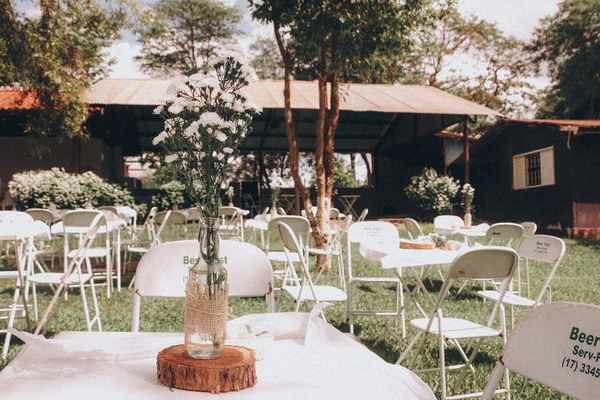
Catering often overlaps with rentals. Plates, cutlery, glassware, napkins, linens, serving trays, chafing dishes, barware, tables, chairs, and even trash bins may need to be arranged. Some venues include these items, while others provide only the space.
Couples should ask exactly what is included in the catering package. A simple menu can become more expensive if every fork, glass, and linen must be rented separately. On the other hand, included rentals can make planning much easier.
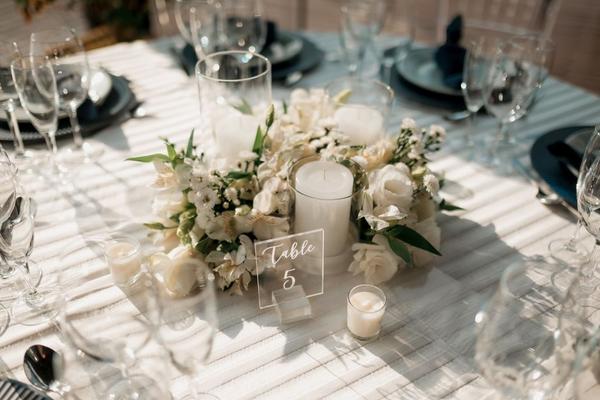
Table settings also affect the feeling of the meal. Formal plated dinners may need multiple pieces of cutlery and glassware. A casual buffet may require a simpler setup. The goal is to match the table style to the event without adding unnecessary cost or clutter.
Create a Clear Food Timeline
Timing is one of the most important parts of wedding catering. Food should arrive at the right moment, not too early and not too late. Guests should not be left hungry during a long photo session, and dinner should not interrupt speeches, dances, or other key moments.
A basic catering timeline often includes vendor arrival, setup, cocktail hour, dinner service, dessert, coffee, bar closing, cleanup, and final breakdown. This timeline should connect with the photographer, planner, DJ, venue manager, and anyone else involved in the day.
Couples should think about the natural rhythm of the celebration. After the ceremony, guests usually want a drink and something small to eat. Dinner should begin before energy dips. Dessert should come at a moment when guests are ready for a change of pace. Good timing makes the reception feel smooth and relaxed.
Discuss Staffing Needs
Staffing can affect everything from guest experience to cleanup. Servers, bartenders, bussers, chefs, setup teams, and event captains all play different roles. Too few staff members can lead to slow service, messy tables, long bar lines, or delayed dinner.
Couples should ask how many staff members will be present and what each person will handle. Will they set the tables? Serve appetizers? Refill water? Clear plates? Cut the cake? Pack leftovers? Manage the buffet? Handle trash?
These questions may feel detailed, but they prevent confusion later. A beautiful menu still needs a capable team to bring it to life.
Plan the Cake and Dessert Service
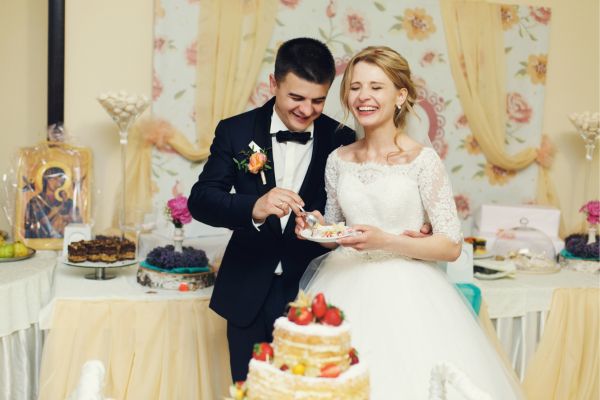
Cake and dessert deserve their own place on the catering checklist. Couples should confirm when the cake will arrive, where it will be stored, when it will be displayed, and who will cut and serve it. If the cake comes from a separate bakery, the caterer and venue should know the delivery time and setup requirements.
Dessert service can be formal or relaxed. Some couples serve cake at the table. Others offer a dessert station where guests can help themselves. Some combine a small wedding cake with mini desserts, cookies, pies, or cultural sweets.
The important thing is coordination. Dessert should not feel forgotten or rushed. It is often one of the last shared food moments of the evening, so it should be easy for guests to enjoy.
Ask About Leftovers and Cleanup
Leftovers can be surprisingly complicated. Some caterers allow couples to keep extra food, while others do not because of food safety rules. If leftovers are allowed, couples should ask whether containers are provided and who is responsible for packing them.
Cleanup should also be clearly defined. Does the catering team clear tables? Do they remove trash? Do they clean the kitchen or prep area? Do rentals need to be rinsed, stacked, or returned? What time must everything be out of the venue?
These final details matter because they happen when everyone is tired. Clear expectations help the night end smoothly instead of creating last-minute stress for family members or friends.
Review the Contract Before Signing
The catering contract should list the menu, guest count, service style, staffing, rentals, bar details, setup and cleanup responsibilities, payment schedule, cancellation policy, overtime fees, taxes, gratuities, and any extra charges. Couples should read it carefully and ask questions before signing.
It is also wise to confirm deadlines. When is the final guest count due? When can menu changes no longer be made? When is the final payment required? What happens if the guest count changes? These dates should go into the wedding planning calendar.
A clear contract protects everyone. It keeps expectations organized and makes the final weeks before the wedding much less stressful.
Keep Communication Organized
Catering involves many moving parts, so organized communication helps a lot. Couples may want to keep all catering notes, emails, contracts, invoices, menu updates, guest counts, and dietary details in one folder. Even a simple document with key decisions can make planning easier.
It is also helpful to avoid too many people giving instructions to the caterer. One main contact should handle updates, questions, and final decisions. This reduces the chance of mixed messages and last-minute confusion.
As the wedding gets closer, couples should confirm everything in writing. Menu, timing, guest count, rentals, staffing, and setup should all be reviewed so there is no guessing on the day itself.
Conclusion
A thoughtful wedding catering checklist for couples is not just about remembering the food. It is about creating a dining experience that fits the wedding, respects the budget, and keeps guests comfortable from the first drink to the final bite of dessert.
Good catering planning begins with clear numbers, venue rules, and a realistic menu. It continues through tastings, dietary needs, rentals, staffing, drinks, timing, cake service, and cleanup. None of these details need to feel overwhelming when they are handled step by step.
At its best, wedding catering feels effortless to the guests because so much care has happened behind the scenes. The meal arrives at the right time, the drinks flow naturally, the tables feel ready, and everyone feels looked after. That quiet sense of ease is what makes the celebration feel generous, personal, and beautifully complete.