Light is the invisible ingredient behind every memorable photograph. Cameras, lenses, poses, and locations all matter, but without thoughtful lighting, even the most beautiful wedding scene can fall flat. With the right light, an ordinary room can feel romantic, a cloudy day can look elegant, and a quick candid moment can become timeless.
That is especially true at weddings, where the pace is fast and conditions constantly change. A photographer may move from a dim hotel room to harsh midday sun, then into a candlelit reception hall within a few hours. Each environment demands different decisions.
This is why wedding photography lighting tips are so valuable. Good lighting is not only technical skill. It is observation, timing, adaptability, and understanding how emotion can be shaped through brightness, shadow, and direction.
Why Lighting Matters More Than Equipment
Many people assume expensive gear guarantees beautiful wedding photos. Better equipment can help, but light remains more important than camera price.
Soft natural light can flatter skin, reveal texture in dresses, and create gentle mood. Harsh overhead light can emphasize shadows and distraction. Warm evening light often adds romance without effort. Poor mixed indoor lighting can create color challenges and uneven tones.
A skilled photographer learns to read light first and use gear second.
That order matters.
Learn to Notice Direction of Light
One of the simplest but strongest wedding photography lighting tips is to notice where light is coming from.
Front light illuminates faces clearly and evenly. Side light adds depth, shape, and drama. Backlight can create glow, atmosphere, or silhouette when controlled well. Top-down light, common at midday or under ceiling fixtures, can produce less flattering shadows.
Before taking a photo, pause for one second and ask: where is the light source?
That habit alone improves images dramatically.
Use Window Light During Preparation
Wedding mornings often begin indoors while hair, makeup, dressing, and emotional family moments unfold. Window light is usually your best friend here.
Large windows create soft directional light that flatters faces and fabrics beautifully. If possible, position subjects near the window rather than in the middle of a dark room under overhead bulbs.
Turn off unnecessary lamps if their color temperature clashes badly with daylight. Mixed lighting can become difficult quickly.
Some of the most intimate wedding images happen quietly beside a window.
Avoid Harsh Midday Sun When Possible
Outdoor ceremonies and portraits sometimes happen in bright midday conditions. This can be challenging because sunlight from above creates strong shadows under eyes, noses, and chins.
Whenever possible, move portraits into open shade. Trees, building shadows, covered walkways, or the shaded side of structures can provide softer, more even light.
If full sun is unavoidable, position subjects thoughtfully and expose carefully. Squinting and harsh contrast are common midday problems.
Timing portraits later in the day often helps tremendously.
Golden Hour Is Popular for a Reason
Golden hour—the period shortly after sunrise or before sunset—has earned its reputation honestly. Light tends to be softer, warmer, and more directional, creating flattering skin tones and romantic atmosphere.
For couples’ portraits, this time can feel magical without appearing artificial. Hair glows, backgrounds soften, and movement looks elegant.
Many photographers schedule a short sunset portrait session even during busy wedding timelines because the visual reward is so strong.
Natural beauty often arrives quietly in the last light of day.
Overcast Days Are Better Than Many Think
Couples sometimes worry when wedding forecasts show clouds. Photographers often feel the opposite.
Cloud cover acts like a giant softbox, diffusing sunlight into even, flattering light with reduced harsh shadows. This can make portraits easier and more consistent than bright sun.
Colors may feel softer and moodier, but skin tones often look lovely.
Cloudy weather is not bad light. It is simply different light.
Indoor Ceremony Lighting Requires Preparation
Churches, halls, barns, and reception venues all present unique challenges. Some are dim. Some have colored LEDs. Some mix daylight from windows with tungsten chandeliers.
This is where planning matters. Visit the venue in advance if possible, or arrive early enough to assess conditions. Understand whether flash is allowed during the ceremony. Identify bright spots, dark corners, and where key moments will happen.
Good indoor coverage often depends on anticipation more than reaction.
Bounce Flash for Natural Results
Flash can rescue dark environments, but direct flash pointed straight at people often creates harsh, flat images.
A smarter technique is bouncing flash off ceilings or neutral walls when conditions allow. This spreads light more softly and can mimic ambient illumination.
Reception speeches, first dances, and dance floor moments often benefit from controlled flash use.
The goal is not to make flash obvious. The goal is to make light look natural.
Keep Background Light in Mind
Many photographers focus only on faces and forget what is happening behind them. Background lighting strongly affects image quality.
Bright windows behind subjects can create exposure challenges. Distracting spotlights may emerge from heads. Random colored lights can pollute clean scenes.
Sometimes taking two steps sideways solves everything.
The best wedding photography lighting tips often involve moving the camera, not changing settings.
Candles and Ambient Light Add Emotion
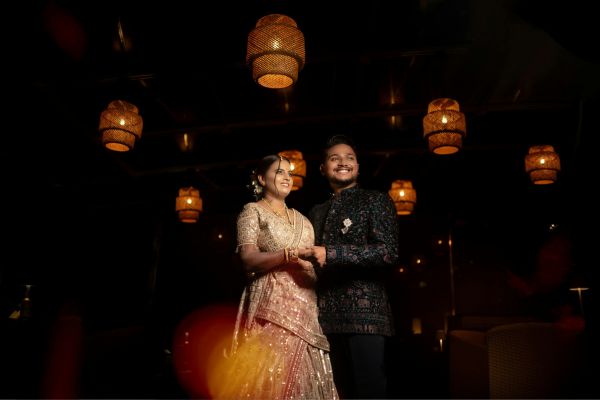
Not all darkness is a problem. Candlelight, string lights, chandeliers, lanterns, and warm reception glow can create atmosphere impossible to fake.
Rather than overpowering every low-light scene with flash, sometimes it is worth preserving the natural mood. A slightly darker image with emotional warmth may feel more truthful than a perfectly bright but lifeless frame.
Technical perfection is not always emotional perfection.
Separate Couple From Background
When possible, place subjects where light falls on them more strongly than the background. This naturally draws attention and creates dimension.
A couple standing near a bright doorway with a darker room behind them can look striking. So can faces lit by sunset against a shaded landscape.
Visual separation helps photographs feel cleaner and more intentional.
Watch Mixed Color Temperatures
Wedding days often include daylight, tungsten bulbs, DJ uplighting, candles, and LED fixtures in the same scene. Each light source can produce different color casts.
This may turn white dresses blue, orange, green, or magenta if unmanaged.
Sometimes the best solution is simplification: turn off unnecessary lights, reposition subjects, or commit to one dominant source.
Color confusion can make beautiful moments look strange.
Move Quickly but Stay Calm
Wedding photography rarely allows endless setup time. Moments happen once. Parents tear up suddenly. The first kiss lasts seconds. Guests laugh and move on.
Strong lighting decisions must become instinctive. But instinct is built through calm repetition. Scan the room, find the light, place yourself well, and trust experience.
Rushing mentally often causes more mistakes than limited time itself.
Couples Can Help Too
These wedding photography lighting tips are not only for photographers. Couples planning timelines can help by allowing portrait time near sunset, choosing preparation rooms with windows, and discussing venue lighting with planners.
Even simple awareness improves outcomes.
Photography is collaborative more often than people realize.
Conclusion
Great wedding images are rarely about luck. They are about seeing light clearly and using it with intention. From soft morning windows to dramatic sunset skies and warm reception candles, each part of the day offers different possibilities.
The best wedding photography lighting tips come down to awareness: notice direction, seek softness, adapt indoors, and protect atmosphere where it matters. When light is handled well, photos do more than document a wedding—they preserve how it felt to be there.