There’s something quietly magical about seeing a wedding from above. The soft geometry of a ceremony setup, the movement of guests across a garden lawn, the fleeting moment when a couple walks hand in hand beneath an open sky—drone photography captures it all in a way that feels cinematic yet deeply personal. It’s not just about height; it’s about perspective. And when done thoughtfully, it adds a layer of storytelling that traditional photography simply can’t replicate.
These wedding drone photography tips aren’t about chasing trends or flashy visuals. They’re about understanding how to use the sky as part of the narrative—subtle, intentional, and beautifully human.
Understanding the Role of Aerial Storytelling
Before even thinking about flight paths or camera settings, it helps to pause and consider why you’re using a drone in the first place. Aerial shots shouldn’t feel like interruptions; they should feel like natural extensions of the day.
A drone can quietly reveal the scale of a venue, the intimacy of a ceremony nestled in nature, or the energy of a celebration unfolding outdoors. It’s less about spectacle and more about context. The best aerial images often work in harmony with ground-level shots, adding depth rather than stealing attention.
Choosing the Right Moments to Take Flight
Timing matters more than altitude. Not every part of a wedding benefits from aerial coverage, and knowing when to fly can make all the difference.
Golden hour is often a favorite, not just for its flattering light but for its emotional tone. The soft glow creates a sense of calm, making wide shots feel almost dreamlike. Outdoor ceremonies, first looks in open landscapes, and quiet moments just after the vows are also ideal opportunities.
There’s a certain restraint involved here. Sometimes the most powerful choice is to keep the drone grounded, letting the moment breathe without the hum of propellers.
Reading the Venue from Above
Every location tells a different story when viewed from the sky. A coastal wedding might emphasize the meeting of land and water, while a countryside venue might highlight winding paths and textured greenery.
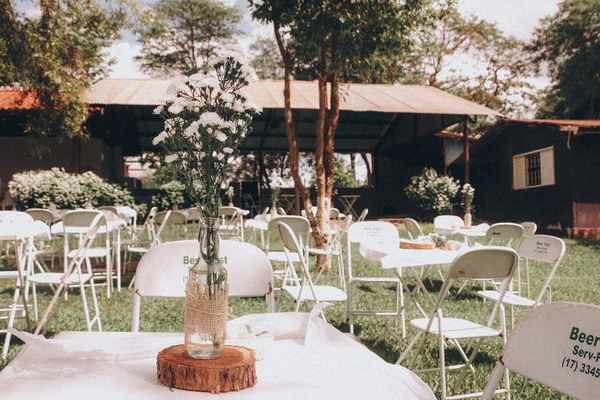
Spend time observing the space before the event begins. Walk the grounds, look for natural patterns, notice how light falls across different areas. From above, symmetry and contrast become more pronounced. A circular seating arrangement, a long aisle cutting through a field, or even the shadows cast by trees can become visual anchors.
This awareness shapes how you compose your shots later. Instead of simply capturing what’s there, you begin to interpret it.
Keeping Movements Smooth and Intentional
Drone footage has a tendency to feel mechanical if not handled with care. Smooth, deliberate movements are what give aerial shots their cinematic quality.
Gentle ascents can reveal a scene gradually, building a sense of anticipation. Slow lateral movements can follow the couple as they walk, maintaining a connection without overwhelming the frame. Sudden changes in direction or speed, on the other hand, can break the emotional rhythm.
There’s a quiet discipline in restraint. Let the movement support the story rather than dominate it.
Working with Natural Light Instead of Fighting It
Lighting is often the silent collaborator in photography, and with drones, its influence becomes even more pronounced. Midday sun can create harsh shadows that flatten the scene, while early morning or late afternoon light adds dimension and warmth.
Cloudy skies, often overlooked, can actually be a gift. The diffused light softens everything, allowing colors and textures to come through without harsh contrasts.
Rather than trying to control the light, it’s often better to adapt to it. Adjust your angles, experiment with height, and let the environment guide your choices.
Respecting the Atmosphere of the Wedding
A wedding is, at its core, a gathering of people sharing something meaningful. The presence of a drone should never disrupt that atmosphere.
Being mindful of sound is part of this. Drones, even the quieter ones, are noticeable. Keeping flights brief and purposeful helps maintain the natural flow of the event. It’s also worth communicating with the couple beforehand about when and where aerial shots will be taken, ensuring everyone feels comfortable.
There’s an art to being present without being intrusive, and drone photography requires that sensitivity.
Framing People Within the Landscape
One of the unique strengths of aerial photography is its ability to place people within a larger context. Instead of isolating the couple, you’re showing their connection to the space around them.
A small figure against a vast landscape can feel poetic, almost symbolic. At the same time, getting closer—without losing that sense of scale—can create a balance between intimacy and grandeur.
Think of it as a conversation between subject and setting. Both should have a voice.
Preparing for Technical Challenges
While the creative side of drone photography often takes center stage, the technical aspects can’t be ignored. Wind conditions, battery life, and signal stability all play a role in what’s possible.
Planning ahead helps. Check weather conditions, map out potential flight paths, and always have a backup plan. Weddings move quickly, and there’s rarely time to troubleshoot mid-moment.
Even with preparation, there’s always an element of unpredictability. Learning to adapt—sometimes on the fly, quite literally—is part of the process.
Blending Aerial Shots with Ground Coverage
Drone photography works best when it complements traditional coverage rather than replacing it. The contrast between perspectives can be incredibly powerful.
A close-up of a couple exchanging vows followed by a wide aerial shot of the same moment creates a sense of continuity. It allows viewers to experience both the emotion and the environment, moving seamlessly between the two.
This balance is what turns a collection of images into a cohesive story.
Embracing Imperfection and Authenticity
Not every aerial shot needs to be perfectly composed or technically flawless. Sometimes a slight tilt, a shadow crossing the frame, or a moment of movement can add character.
Weddings themselves are imperfect, filled with small, unscripted moments that give them life. Drone photography, at its best, reflects that authenticity rather than trying to polish it away.
There’s beauty in allowing things to feel a little unplanned.
Staying Within Legal and Safety Boundaries
While creativity is essential, it exists within certain limits. Drone regulations vary by location, and understanding them is part of responsible photography.
Maintaining safe distances, avoiding restricted areas, and ensuring the safety of guests are all non-negotiable. It’s not just about compliance; it’s about respect—for the space, the people, and the moment itself.
Working within these boundaries doesn’t limit creativity. If anything, it encourages more thoughtful decision-making.
Developing a Personal Style from the Sky
Over time, patterns begin to emerge in the way you approach aerial photography. Maybe you’re drawn to wide, expansive shots, or perhaps you prefer closer, more intimate compositions from above.
Developing a personal style isn’t about forcing a signature look. It’s about noticing what resonates with you and refining it gradually. The sky offers endless possibilities, but your perspective shapes how those possibilities are realized.
In the end, it’s less about technique and more about interpretation.
Conclusion: Letting the Sky Tell Its Part of the Story
Wedding drone photography tips often focus on gear, settings, or dramatic visuals, but the essence lies elsewhere. It’s in the quiet decisions—the moments you choose to capture, the way you move through space, the respect you bring to the occasion.
Aerial photography doesn’t replace the intimacy of ground-level storytelling; it expands it. It offers a wider lens through which to see the same emotions, the same connections, the same fleeting moments.
And when it’s done with care, the result isn’t just a beautiful image. It’s a memory that feels larger than life, yet still deeply personal—like looking back on a day and seeing it from a place you didn’t know existed.