Where everyone sits during the vows may seem like a small detail until guests arrive and the front row is full. A thoughtful wedding ceremony seating order makes room for close family, keeps the aisle clear for the processional, and helps everyone settle in. Unlike a reception seating chart, ceremony seating is about family roles, sightlines, and a short window of guest arrivals rather than who will enjoy sharing a dinner table.
Who Sits Where at a Wedding Ceremony?
A useful starting point is to reserve the first one to three rows for immediate family and ceremony participants, then let other guests choose their places. The exact order is flexible, especially when family size, relationships, or cultural traditions call for something different.
Parents and Parent Figures
Parents and the people who raised the couple usually receive prominent seats in the front row. They may sit closest to the aisle for a good view and easy entrance. If a parent is escorting someone down the aisle, leave their chair open until they arrive. A parent who dislikes attention can still be honored without occupying the most visible seat.
Grandparents
Grandparents often sit in the first or second row, depending on space and whether they join the processional. Comfort matters more than strict etiquette. If someone needs step-free access, a companion, or a shorter walk, plan around those needs. Do not assume every grandparent wants to walk down the aisle.
Siblings and Wedding Party Members
Siblings who are not standing with the couple typically sit behind the parents or with other close relatives. Attendants standing at the front usually do not need chairs, but seated attendants, readers, and young children may need assigned places. A flower child might be happiest beside a familiar adult.
Other VIPs and General Guests
Guardians, godparents, chosen family, and close friends can also receive ceremony reserved seating. Beyond the marked places, wedding guest seating is generally open. Unless the venue requires it, there is no need to assign every chair. Give ushers a short list of reserved names.
Traditional Family Sides Are Optional
In many traditional Western Christian ceremonies, the bride’s family sits on the left and the groom’s on the right when facing the front. Some Jewish wedding traditions reverse these sides, and practices differ across faiths and communities. Ask your officiant about religious expectations rather than assuming one custom applies everywhere.
Many couples now invite guests to sit on either side. Mixed seating works well when one family is larger, friends are shared, or bride-and-groom labels do not fit. Tell ushers whether sides matter and use a simple sign if guests may sit anywhere. A good wedding seating order should be easy to understand at a glance.
Calculate Reserved Seats Before Marking Rows
Start with a list of people, not a number of rows. Count parents and partners, grandparents, siblings, children, and other honored guests who will sit during the ceremony. Check how many chairs each row holds. Include seats for anyone who enters during the processional, and avoid reserving more chairs than necessary.
Imagine a venue with eight chairs on each side of the aisle. One partner needs six places for family; the other needs ten because step-parents and a grandparent’s companion are attending. Reserving one row on each side would not work. Instead, hold six seats on one side and ten across two rows on the other. Mark individual chairs if particular people must sit together.
Handle Blended Families With Care
Family seating at a wedding should not become a public ranking of relatives. Divorced parents may comfortably share a row, or they may prefer separate rows with equally good views. Step-parents, adoptive parents, guardians, and chosen family can be placed according to their relationships with the couple rather than a rigid hierarchy.
Ask privately about preferences. If two relatives need distance, seat each near supportive people without drawing attention to the arrangement. Keep young children beside caregivers. Quiet decisions before the event are kinder than expecting ushers to negotiate a sensitive family situation at the entrance.
Coordinate Seating With the Processional
Ceremony seats differ from reception seats because some honored guests arrive after everyone else is seated. Parents and grandparents may walk in as part of the processional, so their chairs must remain available. Confirm the entrance order with the officiant or coordinator and share it with ushers.
Begin seating guests well before the scheduled start. Ushers can point out reserved rows and invite others to fill open seats. Just before the procession, stop guiding people across the aisle. Late arrivals can wait quietly at the back until an appropriate pause. Plan the wedding processional order alongside the seating diagram.
Check Accessibility and Sightlines
A front-row chair is not always the best chair. Look for views blocked by flowers, pillars, photographers, or standing attendants. Guests using wheelchairs may need accessible viewing spaces with companion seats, not chairs squeezed into an aisle. Confirm clear routes with the venue, and never block exits or accessible pathways.
Consider hearing and vision needs, older guests who prefer shorter walks, and parents of small children who may need to step out. For an outdoor ceremony, check uneven ground and shade. Thoughtful placement can be more welcoming than insisting every honored guest sit in the front row.
Make Seating Instructions Simple
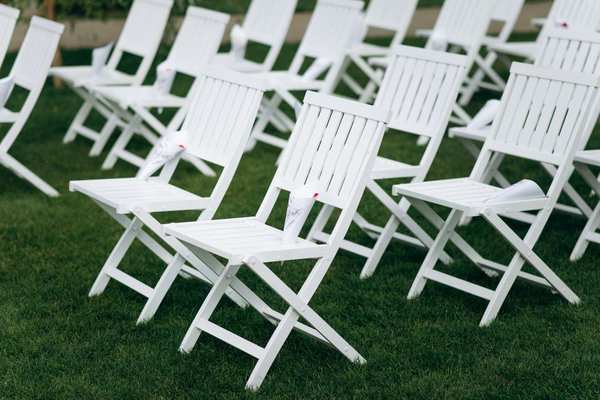
Use clear signs or reserved-seat cards, not decorations that guests could overlook. Reserve exact seats when companions need to stay together; otherwise, a reserved-row sign gives families flexibility. Confirm the chair layout before rehearsal, and keep wedding aisle decorations away from signs and access routes. Tell ushers which places are reserved, whether family sides apply, who needs an escort, and when to stop seating arrivals.
Frequently Asked Questions
Do parents always sit in the first row?
Usually, but it is not mandatory. The front row is traditional for parents and parent figures, yet accessibility, family relationships, or processional arrangements may make a nearby seat better. Ask about preferences before finalizing the plan.
Which side should wedding guests sit on?
Some Western Christian ceremonies use the bride’s side on the left and the groom’s on the right when facing the ceremony space. Other traditions differ. If the couple has chosen mixed seating, guests can sit wherever seats are open.
How many rows should be reserved for family?
One to three rows is common, but there is no fixed requirement. Count actual guests who need a place, including companions and processional participants, then reserve enough chairs to accommodate them comfortably.
Do we need assigned seats for every ceremony guest?
Usually not. Reserved seats for family and VIPs, followed by open seating, work for many weddings. Full assignments may help in very small venues or where particular accessibility and ceremony requirements need more coordination.
Let the Ceremony Feel Welcoming
The best wedding ceremony seating order honors important relationships while helping guests find their places without fuss. Identify who needs a specific seat, plan for family dynamics and entrances, and leave the remaining rows easy to navigate. When everyone feels comfortable and the processional runs smoothly, the seating plan has done its job.