The most successful DIY wedding decor ideas do not demand a craft room full of equipment or a van packed to the roof. They look intentional, survive the journey to the venue, and can be set out by someone who did not make them. That last detail matters: on your wedding day, you should not be explaining how to assemble a centerpiece while guests arrive.
Think in terms of a small collection of coordinated projects rather than decorating every surface. A consistent palette, a few repeated materials, and sensible setup instructions will do more for the finished look than dozens of complicated handmade details.
Choose Projects That Suit Your Venue and Setup Time
Before buying supplies, ask the venue about access times, permitted adhesives, hanging points, open flames, and who clears decorations afterward. Then decide which spaces deserve attention. Typically, guests notice the ceremony backdrop, the entrance, and the dining tables before they notice small details tucked into corners.
Pick two or three materials to repeat, such as linen, pale wood, and greenery. This makes homemade wedding decor feel connected even when the individual pieces are simple. For help narrowing the look, a guide to wedding color palettes can be a useful starting point.
DIY Ceremony Decor That Is Simple to Install
Dress the Aisle Without Creating Obstacles
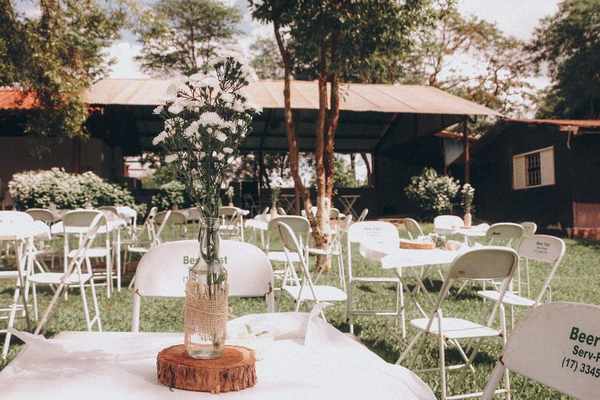
Instead of lining an entire aisle with fragile arrangements, decorate the last few rows of chairs with ribbon clusters or small bundles of dried stems. Tie each bundle to a removable loop so helpers can attach it quickly without tape or damage. Keep ornaments clear of walking paths, and check that nothing blocks accessibility routes.
Make a Backdrop That Packs Flat
A large handmade arch can look stunning in photographs but become a logistical headache. A safer alternative is a freestanding frame approved by your venue, dressed with two fabric panels and a few securely attached floral accents. Choose fabric that resists creasing, and test the frame for stability before the event. Outdoor installations may need a professional assessment and venue-approved anchoring.
DIY Reception Decor Guests Will Actually Notice
Build Repeatable Table Centerpieces
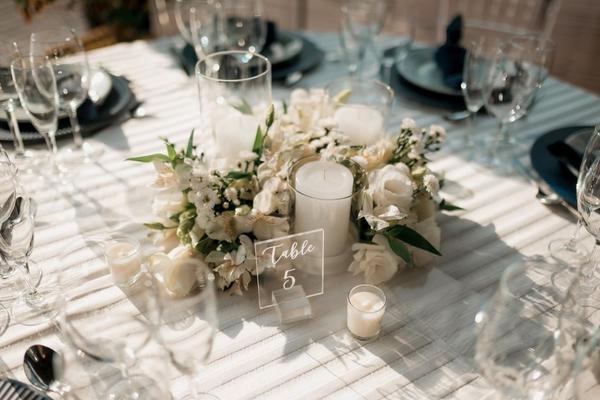
One of the easiest DIY reception decor projects is a low arrangement made from matching vessels. Choose sturdy vases or bowls, then fill them with a limited selection of flowers or greenery. A cluster of three small containers often looks more considered than one overflowing centerpiece. Keep the overall height low enough for people to talk across the table.
Make a sample centerpiece several weeks ahead and photograph it beside a dinner plate. That quick scale check prevents arrangements that look impressive on a workbench but disappear on a large banquet table. If using fresh flowers, plan storage, water, and assembly around the florist’s or supplier’s handling advice.
Turn Place Cards Into Part of the Tablescape
Place cards are easy wedding decorations because they combine function with personality. Print names on heavyweight card, use a consistent typeface, and rest each card in a small wooden holder. Or attach cards to folded napkins with a narrow ribbon. Avoid fussy finishes that must be assembled individually at the venue.
For a more personal touch, add a short note to each table number explaining a place, song, or memory you share. Guests get a conversation starter, and you do not need a separate decorative object for every table.
Create One Strong Welcome or Photo Display
Rather than scattering signs everywhere, give the entrance a clear focal point: a welcome sign, a seating chart, and perhaps a small framed photograph. Print inserts ahead of time and place them in standard-size frames that can be reused after the celebration. Use weighted, stable stands where needed and keep signs out of doorways.
Make Everything Easy to Transport and Set Up
The difference between a charming project and a stressful one is often packaging. Finish each item as completely as possible at home. Flat-pack signs between pieces of clean cardboard, wrap breakable vessels separately, and use rigid boxes rather than soft bags for anything delicate.
Label every container by destination, not just contents: “Ceremony entrance” is more helpful than “Ribbon and frames.” Put a photograph of the finished arrangement inside each box so a friend can reproduce it without calling you. Include the exact number of pieces, any necessary tools, and a note about which items should be unpacked first.
Work Backward From Your Budget
DIY is not automatically cheaper. Count the cost of tools, replacement supplies, printing, storage boxes, delivery, and your time before committing. If you are comparing projects, a practical wedding decor budget checklist helps reveal which handmade touches offer real value.
Spend where repetition makes the biggest visual impact. Making a dozen matching table numbers is efficient; building twelve complex suspended installations may not be. Borrowing stands or buying reusable containers can be sensible, provided the finished pieces still fit your style and venue rules.
A Realistic Setup Plan for a Small Reception
Imagine a reception with eight dining tables, a welcome area, and one ceremony backdrop. Make one sample centerpiece, then prepare eight matching sets and one spare vessel. Print the table numbers and seating chart together so the paper and typography match. Pack the backdrop fabric in a separate labeled bag, ready for a designated helper.
During a trial run at home, time the process of dressing one table. Multiply that by eight and allow extra time for unloading, walking between areas, and unexpected delays. Assign a helper to the tables and another to signs and ceremony decorations. Give each person a simple photo-based checklist. If your timeline looks crowded, remove a project rather than relying on faster hands.
For extra inspiration on creating an inviting atmosphere without excess clutter, look at simple wedding table styling ideas before adding anything else to your shopping list.
Frequently Asked Questions
What wedding decorations are easiest to make yourself?
Table numbers, place cards, framed signs, ribbon chair accents, and simple vase arrangements are approachable starting points. They can usually be completed in advance and require little assembly on the day.
How far in advance should I make DIY wedding decorations?
Make durable items such as signs, fabric accents, and card holders several weeks ahead. Leave perishable arrangements until the appropriate preparation window for your flowers, and confirm storage requirements with the supplier.
How do I make homemade wedding decor look polished?
Limit your colors and materials, repeat shapes across different areas, and make a full-size sample before producing multiples. Neat finishes, clear lettering, and consistent spacing have more impact than complicated techniques.
Can I use candles in DIY wedding decor?
Ask the venue first. Some spaces restrict flames or require enclosed holders. Battery-operated lights can provide a similar glow where permitted, without wax or exposed flames. Always follow the venue’s safety requirements.
Keep the Handmade Details, Lose the Wedding-Day Stress
The best DIY wedding decor ideas leave room for the people and moments that matter. Choose projects that are meaningful, repeatable, and easy for someone else to install. A few well-planned details will feel personal and polished long after the last box has been unpacked.