A wedding invitation is exciting until you stand in front of your wardrobe wondering whether your outfit crosses an invisible line. Knowing what not to wear to a wedding as a guest is less about memorizing old-fashioned rules and more about respecting the couple, the setting, and the dress code.
Some wedding guest outfit mistakes are easy to avoid. Others depend on the ceremony, cultural traditions, or a specific request on the invitation. Here is how to recognize the difference.
Skip White and Anything That Looks Bridal
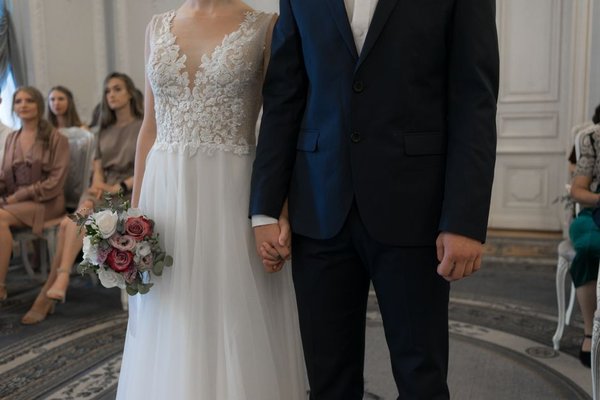
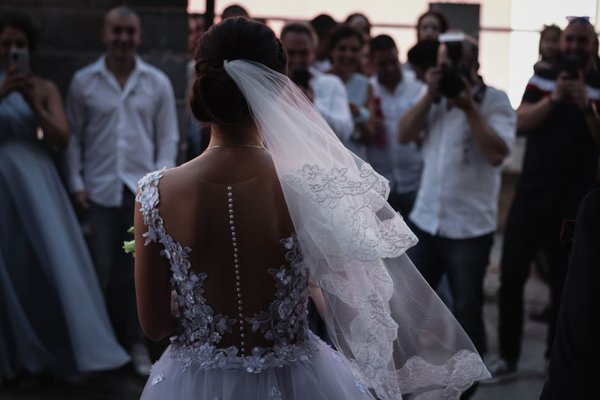
At many Western weddings, a predominantly white dress, ivory jumpsuit, or cream-colored gown is best left in the closet unless the couple explicitly invites guests to wear it. Bridal-looking clothing can disregard a familiar expectation without good reason.
Be careful with pale champagne, very light blush, and white-based floral prints, especially if the overall effect looks white in photographs. A small amount of white in a colorful pattern is usually different from an almost-white outfit. A white shirt beneath a suit is entirely conventional. When uncertain, choose a clearly different color.
Do Not Ignore the Wedding Dress Code
The invitation is your starting point, not a suggestion to interpret however you like. Among the most noticeable wedding dress code mistakes are arriving in everyday clothes for an elegant evening event or wearing a dramatic ball gown to an informal afternoon celebration.
Black Tie and Formal
Black tie generally calls for a tuxedo or an appropriately formal evening dress, often floor-length. Formal or black-tie-optional events allow more flexibility, such as a dark suit or an elegant long dress. Jeans, casual sneakers, and workday chinos usually look out of place.
Cocktail, Semi-Formal, and Dressy Casual
Cocktail attire might mean a refined midi dress, a stylish jumpsuit, or a suit. Semi-formal is often slightly more relaxed, especially during the day. Dressy casual still means polished clothing: think tailored trousers, a smart shirt, or a dress suitable for a special dinner. It does not automatically mean T-shirts and flip-flops.
If the wording is unusual, check the couple’s wedding website or ask someone involved in planning. Our wedding guest dress code guide can help explain the differences.
Avoid Clothes That Are Too Casual or Distracting
Unless specifically requested, leave ripped denim, graphic tees, sportswear, beach shorts, baseball caps, and visibly worn trainers at home. Clean, simple clothing can be stylish, but looking as though you stopped by while running errands sends the wrong message.
There is another end of the spectrum to avoid: outfits designed to command the room. Extremely elaborate trains, costume-like pieces, flashing accessories, or a look that resembles the wedding party’s clothing may pull attention from the celebration. Express your personality without turning the occasion into a personal fashion show.
Think Carefully About Revealing or Impractical Styles
Wedding attire etiquette is not a universal rule about hemlines or necklines. A fashionable cutout dress may be welcome at one reception and awkward at another. Consider the couple’s preferences, whether the ceremony is religious, and how the outfit behaves when you sit, bend, walk, and dance.
Try the outfit at home rather than judging it only in a mirror. Sit in a chair, climb a few steps, and raise your arms. If you are constantly adjusting a neckline or worrying about a wardrobe malfunction, choose something easier to wear.
Check Shoes and Accessories Against the Venue
A beautiful outfit can become impractical when paired with the wrong shoes. Thin stilettos may sink into lawn or sand, while muddy boots or gym shoes can undermine a formal look. Polished flats, block heels, loafers, and dress shoes can all work when they suit the setting.
Keep accessories considerate too. An oversized hat that blocks another guest’s view, loud jingling jewelry, or a large bag crowding a shared seat can be distracting. Religious venues may have specific expectations for head coverings or modest dress, so confirm those ahead of time.
Are There Colors You Should Never Wear?
Searches for colors not to wear wedding events often produce rigid lists, but the reality is more nuanced. White and bridal-looking shades are the clearest concern at many Western ceremonies. Black is widely accepted at modern weddings, especially evening or formal celebrations. Red is not universally forbidden either.
Cultural traditions can change the answer. In some South Asian weddings, for example, red has particular bridal associations; other celebrations may welcome bold red outfits. The couple may also request an all-black palette or ask guests to wear white. Their instructions and cultural context matter more than a generic internet rule.
It can be thoughtful to avoid matching a distinctive bridesmaid or wedding-party color if you know it. Do not assume the invitation’s decorative colors are mandatory unless the couple says so. For inspiration, see our wedding guest outfit colors guide.
Use a Quick Outfit Check Before You Go
Imagine an outdoor afternoon ceremony followed by dinner at a restaurant. A light-blue midi dress and block heels might work beautifully. A white lace maxi dress risks looking bridal, while a black velvet gown could feel too heavy for the daytime setting. Appropriateness matters more than price.
Before leaving, ask yourself three questions: Does this fit the stated dress code? Does it respect the ceremony and cultural setting? Can I wear it comfortably from the vows through the reception? If the answer to any is no, make one practical change rather than rebuilding the entire outfit.
Frequently Asked Questions
Can I wear a dress with white flowers to a wedding?
Usually, yes, when the dress is predominantly another color and clearly does not look bridal. If the background is white and the print is delicate enough that the outfit photographs as mostly white, select another option or ask for guidance.
Is it rude to wear black to a wedding?
Not generally. Black is a common, elegant choice for cocktail, formal, and evening weddings. Consider the cultural context and any color requests from the couple, then style it to feel celebratory rather than somber.
Can wedding guests wear jeans or sneakers?
Only when the dress code or couple’s instructions make them appropriate. Even a casual wedding usually calls for more polished choices. Dressy sneakers may work at certain relaxed events, but athletic running shoes are seldom the safest option.
What should I do if the invitation has no dress code?
Use the venue, ceremony time, and wedding website for clues. A hotel ballroom in the evening usually suggests dressier clothing than a daytime backyard gathering. If you still cannot tell, ask the couple or a member of the wedding party briefly and politely.
The Best Guest Outfit Shows Consideration
A good wedding outfit does not need to be expensive or boring. It simply needs to suit the occasion and allow you to enjoy it. Avoid bridal-looking white, respect the stated formality, account for the venue, and dress with the couple’s traditions in mind. That approach prevents most awkward outfit choices and leaves you free to celebrate.