Somewhere between choosing a venue, finalizing guest lists, and figuring out seating charts, many couples arrive at one of the sweeter parts of wedding planning: the cake tasting. On the surface, it sounds wonderfully simple — sit down together, sample desserts, and choose flavors you both love. In reality, though, wedding cake tastings can become surprisingly overwhelming once multiple fillings, frostings, textures, and design ideas enter the conversation.
That’s partly because wedding cakes now carry more meaning than they once did. They are no longer just formal centerpieces rolled into the reception for photographs. For many couples, the cake reflects personality, style, family traditions, and even the atmosphere of the wedding itself.
Learning a few practical wedding cake tasting tips beforehand can make the experience feel far more relaxed and enjoyable. The goal is not to find the “perfect” cake in some impossible sense. It’s simply to discover flavors and styles that feel right for the celebration and enjoyable for the people sharing it.
Treat the Tasting as Part of the Wedding Experience
Cake tastings tend to feel different from other planning appointments because they’re often more emotional than expected. Couples walk in thinking they’re making a straightforward dessert decision, then suddenly find themselves debating childhood flavor memories or talking about family traditions over coffee and cake samples.
That emotional side matters more than people realize.
A wedding cake becomes part of the atmosphere guests remember. Not everyone recalls floral arrangements or chair styles months later, but people often remember whether the dessert felt comforting, rich, refreshing, or unexpectedly delicious.
Approaching the tasting as an experience rather than just a checklist item changes the mood immediately. Instead of rushing toward decisions, couples usually enjoy the process more when they slow down and pay attention to how each flavor actually feels.
Sometimes the favorite choice ends up being something completely unexpected.
Avoid Scheduling Too Many Tastings in One Day
One common mistake couples make is booking several tastings back-to-back. It sounds efficient in theory, though after multiple rounds of sugar, frosting, and dense cake layers, flavors start blending together quickly.
Palates tire faster than expected. Rich buttercream that tasted balanced during the first appointment may feel overly sweet by the third. Fruit fillings become difficult to compare accurately once sugar fatigue sets in.
Spacing tastings out over different days allows flavors to stay more distinct in memory. It also gives couples time to discuss preferences without feeling rushed between appointments.
Even simple palate resets help during a tasting itself. Water, coffee, or small plain crackers can clear lingering sweetness between samples and make comparisons easier.
The process becomes far more enjoyable when people stop treating it like a competition to taste everything at once.
Focus on Flavor Before Design
It’s easy to become distracted by elaborate cake photos, decorative trends, or dramatic display ideas before even tasting the cake itself. Modern wedding culture places enormous visual pressure on desserts, especially with social media constantly shaping expectations.
Still, flavor matters most once guests actually start eating.
A visually stunning cake that tastes dry or overly sweet rarely leaves a lasting positive impression. Meanwhile, a simpler cake with balanced flavors and good texture often becomes one of the most talked-about parts of the reception.
During tastings, couples sometimes discover that they care less about dramatic flavors and more about freshness, moisture, and overall balance. Others realize they prefer lighter fillings over dense frostings they initially assumed they wanted.
Design can evolve later. Taste should come first because that’s what people physically experience during the celebration itself.
Pay Attention to Texture, Not Just Flavor
One overlooked aspect of wedding cake tasting tips involves texture. Flavor naturally gets most of the attention, though texture shapes the overall experience just as strongly.
A cake can have beautiful flavor combinations yet still feel heavy, dry, overly dense, or strangely soft. The balance between sponge, filling, frosting, and moisture matters enormously.
Some cakes feel rich and luxurious without becoming overwhelming. Others taste pleasant initially but grow tiring after only a few bites. Couples often notice these differences more clearly when they slow down during tastings rather than rushing through samples.
Temperature also affects texture significantly. Cakes served slightly chilled feel different from those sitting at reception-room temperature for hours. Asking how certain frostings or fillings hold up during longer events can help avoid surprises later.
Texture may sound like a small detail, but it often determines whether guests finish their slices or quietly leave half behind.
Think About the Season and Venue
The setting of the wedding influences cake choices more than many couples initially expect. Certain flavors, fillings, and frostings simply fit some seasons better than others.
Light citrus flavors, berries, and airy fillings often feel refreshing at spring or summer weddings. Rich chocolate, spice flavors, caramel, or darker fruits may suit colder months more naturally.
Venue conditions matter too. Outdoor weddings create challenges for delicate buttercreams or highly temperature-sensitive fillings. Humid climates affect frosting stability differently than dry indoor receptions.
Cake tastings become more useful when couples picture the actual environment where the cake will be served rather than tasting flavors in isolation.
A flavor combination that feels comforting in winter might seem unexpectedly heavy during an outdoor August reception. Context changes perception quite a bit.
Don’t Feel Pressured to Choose Trendy Flavors
Wedding trends move quickly, especially online. One year everyone seems obsessed with lavender cakes, champagne fillings, or exotic flavor pairings. The next year minimal vanilla cakes suddenly return everywhere.
The reality is that most guests simply appreciate desserts that taste genuinely good.
Classic flavors remain popular for a reason. Vanilla bean, chocolate, lemon, almond, berry fillings, and soft buttercreams continue appearing at weddings because they appeal to a wide range of people without feeling boring.
There’s nothing wrong with unusual combinations, of course. Some couples genuinely love adventurous flavors. The key is choosing something meaningful or enjoyable rather than selecting flavors solely because they feel fashionable.
Wedding cakes often become part of family memory later on. Familiar flavors sometimes age more gracefully than highly trend-driven combinations.
Consider Guest Experience Without Overthinking It
Couples sometimes place enormous pressure on themselves trying to predict exactly what every guest will prefer. In reality, no single cake flavor satisfies everyone equally.
The goal isn’t universal perfection. It’s creating a dessert that feels enjoyable and welcoming overall.
Offering two complementary flavors often solves this naturally without becoming overly complicated. A richer option paired with a lighter fruit-based flavor usually provides enough variety for most receptions.
At the same time, couples shouldn’t completely ignore their own preferences in favor of crowd-pleasing decisions alone. Weddings are deeply personal events, and the cake should still feel connected to the people celebrating.
Guests tend to respond most warmly when details feel authentic rather than calculated entirely around expectations.
Bring Notes and Photos, but Stay Flexible
Cake tastings can become surprisingly difficult to remember afterward, especially after sampling several combinations. Small notes help more than people expect.
Writing down impressions about flavor balance, texture, sweetness level, or favorite fillings creates clearer comparisons later. Otherwise, details blur together quickly after multiple appointments.
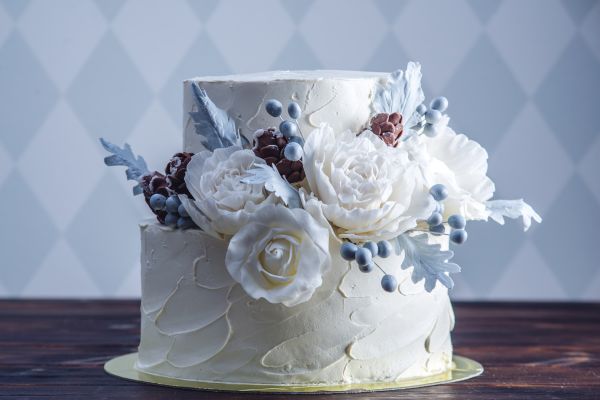
Photos can help too, though they shouldn’t completely define the decision-making process. Cakes often look different in real reception spaces than they do in perfectly staged portfolio images.
Flexibility matters throughout the process. Couples frequently arrive convinced they want one style or flavor, then leave loving something entirely different. Staying open to unexpected combinations often leads to more satisfying choices.
The tasting should feel exploratory rather than rigid.
Understand That Simplicity Often Works Best
One subtle truth many couples discover during cake tastings is that simpler combinations often leave the strongest impression.
Balanced vanilla cake with fresh berry filling may taste more memorable than overly complicated flavor stacks competing for attention. Rich chocolate with smooth frosting can feel far more satisfying than trendy combinations trying too hard to surprise guests.
Wedding cakes exist within larger receptions already filled with music, conversation, drinks, décor, and emotional energy. Dessert doesn’t necessarily need to become theatrical to feel meaningful.
Sometimes the most elegant cakes are simply the ones guests genuinely enjoy eating.
The Emotional Meaning Behind the Cake
For all the practical decisions involved, wedding cakes still carry emotional symbolism. Couples cut the cake together, families gather nearby, photographs capture the moment, and guests quietly associate dessert with celebration itself.
That emotional layer explains why tastings often feel surprisingly memorable later on. Couples remember laughing over unexpected flavor choices, disagreeing over fillings, or suddenly recognizing a cake flavor connected to childhood memories.
These moments become part of the larger wedding story.
The cake may only appear briefly during the reception timeline, but it contributes quietly to the emotional texture of the entire evening.
Conclusion
Wedding cake tasting tips are ultimately less about technical perfection and more about helping couples enjoy the process thoughtfully. A successful tasting isn’t determined by finding the most extravagant flavor or trend-forward design. It’s about discovering combinations that feel comforting, memorable, and naturally connected to the atmosphere of the celebration.
By slowing down, paying attention to texture and balance, and remaining open to unexpected choices, couples often end up selecting cakes that feel far more personal than they originally imagined. The experience becomes less about performance and more about shared enjoyment.
In the end, wedding cakes are not remembered solely for how they looked in photographs. They are remembered through small moments — late-night slices shared between guests, familiar flavors that spark conversation, and the quiet happiness of celebrating together around something sweet and thoughtfully chosen.