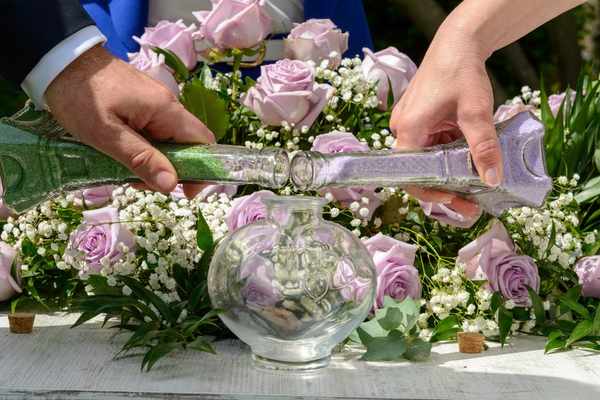
There is a moment in every wedding ceremony when the room seems to quiet itself. The music fades, the guests lean in, and two people promise their lives to each other using their own words. That moment carries a kind of emotional gravity that few other parts of a wedding can match. Writing vows can feel intimidating because you are trying to compress love, memory, humor, fear, and hope into just a few minutes of speech.
If you have found yourself staring at a blank page, wondering how to begin, you are far from alone. The good news is that emotional vows are not about poetic perfection or dramatic flair. They are about honesty, intention, and connection. The most moving vows often sound less like a performance and more like a conversation that just happens to be overheard.
Understanding what makes vows emotional can help you move past the pressure and into something real.
Understanding the purpose behind wedding vows
Before putting pen to paper, it helps to pause and consider what wedding vows are actually meant to do. They are not a summary of your relationship or a public declaration designed to impress guests. At their core, vows are promises. They are a personal expression of commitment spoken directly to the person you are choosing every day.
Emotional vows resonate because they reveal vulnerability. They allow your partner to hear not only how much you love them, but why you love them and how you intend to show up in the life you are building together. When you focus on that purpose, the writing process often becomes less overwhelming and more meaningful.
Starting with memories that shaped your relationship
One of the most effective tips for writing emotional wedding vows is to begin with memory rather than language. Instead of searching for the right words right away, think about moments. The first time you realized this relationship was different. A quiet night that felt unexpectedly safe. A hard season you survived together.
These memories ground your vows in real experience. They give your words texture and specificity, which is what makes them feel genuine. You do not need to retell your entire love story. Choosing one or two meaningful moments is often enough to anchor everything else you want to say.
When you write from memory, emotion tends to follow naturally.
Writing as if you are speaking, not performing
A common mistake people make is trying to sound “wedding-appropriate,” which often translates into formal language that does not reflect how they actually speak. Emotional vows work best when they sound like you. If you would never use a certain phrase in real life, it probably does not belong in your vows.
Try reading your draft out loud as you go. Pay attention to where your voice feels natural and where it feels stiff. It is perfectly okay to use simple language. Short sentences can carry just as much weight as elaborate ones, sometimes more.
The goal is not to impress the audience. The goal is to speak directly to your partner in a way that feels honest and recognizable.
Letting vulnerability lead the way
Emotion does not come from grand statements alone. It comes from openness. Writing emotional wedding vows often means allowing yourself to be seen, even in small, subtle ways. That might mean admitting fear, acknowledging growth, or recognizing how your partner has changed you.
You do not have to share your deepest secrets or rawest moments, but allowing a glimpse of your inner world can make your vows deeply moving. Vulnerability signals trust, and trust is the foundation of any meaningful promise.
If a sentence makes you feel slightly exposed, it is often a sign you are on the right track.
Balancing emotion with promises
While reflection and memory are powerful, vows should also look forward. Promises are what distinguish vows from a love letter. They give your words structure and purpose. Emotional vows often strike a balance between what has already happened and what you are committing to in the future.
Think about the kind of partner you want to be, not just the kind of love you feel right now. Promises do not have to be dramatic or sweeping. In fact, specific, grounded promises often feel more sincere. Committing to listen, to be patient, or to choose kindness during conflict can be just as emotional as lifelong declarations.
These promises show intention, and intention is deeply reassuring.
Embracing imperfection in your writing
One of the most overlooked tips for writing emotional wedding vows is giving yourself permission to be imperfect. Vows do not need to be flawlessly written to be meaningful. Slight pauses, simple phrasing, and even a touch of nervousness can make the moment feel more human.
If your writing feels too polished, it can sometimes lose emotional warmth. Real love is not always tidy, and your vows do not have to be either. What matters is sincerity, not structure.
Trust that your partner loves you for who you are, not for how eloquently you can write under pressure.
Finding your emotional center
When vows feel scattered or overly long, it can help to identify a central emotional thread. This might be gratitude, partnership, growth, or resilience. Once you know what emotion you want your vows to revolve around, everything else can support that theme.
Having an emotional center keeps your writing focused and cohesive. It also makes it easier to edit, because you can ask whether each section supports the feeling you want to convey. Emotional clarity often leads to emotional impact.
Revising with intention and restraint
Editing is where good vows become great ones. After your initial draft, take a break before revisiting it. Distance allows you to read your words more clearly and notice where things feel repetitive or overly long.
Revision does not mean stripping away emotion. It means refining it. Removing extra sentences can make the remaining ones more powerful. Pay attention to rhythm, pacing, and flow. Vows are meant to be spoken, not read silently.
If possible, practice reading them aloud in the same tone and speed you plan to use during the ceremony. This can help you feel more confident and present when the moment arrives.
Managing nerves and emotion on the wedding day
Even the most carefully written vows can feel overwhelming when you are standing in front of your partner. Emotion has a way of surfacing at unexpected moments. That is normal, and it is part of what makes vows so memorable.
If you worry about becoming too emotional, remember that pauses are allowed. Tears do not diminish your words. They often amplify them. Holding your vows, taking a breath, and speaking slowly can help you stay grounded.
Your partner is not judging your delivery. They are listening for your heart.
Trusting the connection you already share
At the end of the day, emotional wedding vows are not created through technique alone. They are shaped by the relationship behind them. You already know how to speak to the person you love. Writing vows is simply an extension of that connection.
When in doubt, return to what feels true. Write from the place where love lives in your everyday life, not just from the significance of the occasion. That authenticity is what guests remember, and more importantly, what your partner carries with them long after the ceremony ends.
A reflective conclusion on writing emotional wedding vows
Writing vows can feel like a heavy responsibility, but it is also a rare opportunity. Few moments in life invite such honest reflection and intentional expression. By focusing on memory, vulnerability, and promise, you can create words that feel deeply personal without feeling forced.
The most meaningful tips for writing emotional wedding vows all point in the same direction: speak honestly, write like yourself, and trust the love that brought you to this moment. When you do that, your vows do not just mark the beginning of a marriage. They become part of its foundation, carrying your voice, your values, and your commitment forward into the life you are choosing together.