Wedding dress trends are moving beyond the question of which silhouette is fashionable. Some of the most interesting modern designs start with a familiar shape, then change its character through an unexpected neckline, sculptural fabric or removable detail. That opens up more possibilities for brides who want a distinctive look without feeling dressed as someone else.
Recent bridal collections have embraced both dramatic volume and quiet, carefully constructed gowns. You can borrow individual details from either direction: a subtle dropped waist might feel right even if a bubble skirt does not, while a simple column dress can become theatrical with a detachable cape.
Silhouettes Are Getting More Expressive
Basque and dropped waists
One of the clearest wedding dress trends is the return of lower waistlines. A basque waist typically dips into a pointed or curved shape at the front, while a dropped waist places the skirt seam lower on the torso. Both create a longer-looking bodice and a deliberate transition into the skirt.
These shapes appear on sleek satin gowns as well as full romantic dresses. A dramatically pointed basque waist makes the bodice a focal point, whereas a gently lowered seam can feel understated. Ask a consultant to photograph each dress from the front and side: waist placement can look surprisingly different in motion.
Ballgowns, bubble hems and volume
Big skirts are prominent in recent bridal fashion trends, but volume does not have to mean endless layers of tulle. Designers are experimenting with bubble hems, architectural pleats and petticoat-supported shapes. A bubble hem folds fabric inward to create a rounded outline; crisp pleating gives a full skirt a more structured appearance.
Think about your venue as well as your entrance. An oversized skirt might suit a spacious ballroom but make it difficult to navigate a narrow restaurant. Test whether you can turn, sit and walk through doorways comfortably before committing.
Sleek gowns remain relevant
Minimalist modern wedding dresses have not disappeared. Column silhouettes, clean A-lines and fluid slip dresses still appeal, particularly with exceptional draping or a sharply cut neckline. Their strength is restraint: the construction, fabric and fit do the work instead of embellishment.
Necklines and Sleeves Are Statement Details
Square necklines, gentle scoops, halters and off-the-shoulder cuts offer alternatives to a conventional sweetheart bodice. A square neckline looks crisp and architectural, while a softly scooped version feels relaxed. Draped off-the-shoulder bands bring romance, and halters draw attention to the shoulders.
Sleeves are equally varied. Sheer lace adds texture without hiding a gown’s shape, structured puff sleeves create a more dramatic mood, and fitted long sleeves can make a simple dress feel polished. If you want coverage during the ceremony but bare arms for dancing, consider removable sleeves rather than another gown.
A wedding dress necklines guide is a useful next read when comparing the proportions of these cuts against different bodice shapes.
Texture Is Taking Center Stage
Lace with a modern edge
Lace is a major presence in current wedding gown trends, but its effect depends on scale and placement. Oversized floral motifs can look graphic, especially against simple lining. Fine lace layered over sheer fabric is softer. Some dresses use lace only on the bodice, cuffs or train rather than covering the entire gown.
Structured and dimensional fabrics
Satin and mikado are favorites for sculptural gowns because they display folds and pleats clearly. Organza creates lighter volume, whereas chiffon moves fluidly. Raised floral appliqués, pearls and textured weaving add interest that reveals itself at closer range.
Fabric choice affects more than photographs. A stiff skirt may hold its outline beautifully but feel restrictive when seated. Embellishments can catch on jewelry or rough surfaces. During fittings, move normally and ask about care and alteration requirements.
Soft Color Offers an Alternative to White
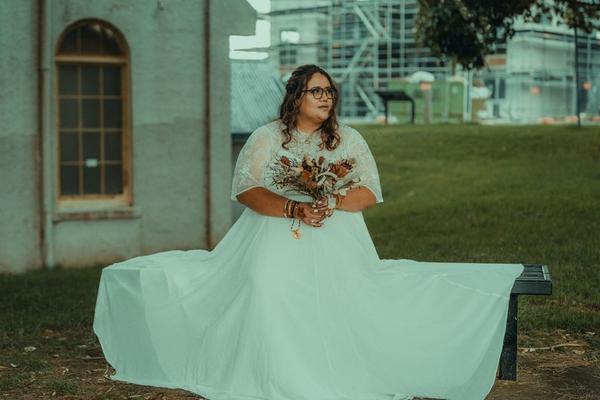
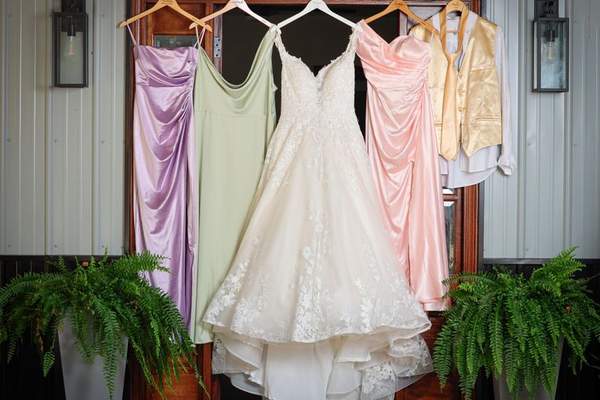
Ivory and soft white remain familiar bridal choices, but blush, champagne, pale blue and other gentle tints also appear in fashion-forward collections. A colored lining beneath ivory lace can add depth without making the entire gown look overtly colorful.
View samples in daylight and lighting similar to your venue. Warm bulbs can deepen champagne tones, while bright daylight may reveal pink or blue undertones you barely noticed in the boutique. Choose a shade that works for you rather than one that photographs well only under showroom lights.
Removable Pieces Create Two Looks From One Dress
Detachable overskirts, trains, sleeves, capes and bows are among the most practical bridal style ideas. They offer a dramatic ceremony look and a simpler reception outfit without purchasing two complete gowns. Bridal separates, such as corset tops with coordinating skirts, provide another route to personal styling.
Imagine a bride wearing a clean strapless gown for an afternoon garden ceremony. She adds a full overskirt for photographs, removes it before dinner and changes to short gloves for the evening. The underlying dress remains the same, yet each part of the celebration feels different.
Check the fastenings carefully. Overskirts should attach without visible bumps, and removable sleeves need to stay put when you raise your arms. Ask who will help with changes and rehearse any bustle or detachable train before the wedding.
Choosing Trends Without Losing Your Style
Begin with the detail you genuinely like, not the most shared runway image. At an appointment, try one familiar silhouette and one you would not normally choose. Notice whether you feel comfortable standing, sitting, walking and turning, not just posing in front of a mirror.
Consider your venue, weather, preferred undergarments and the time you will spend wearing the dress. Ask for the full cost of alterations and removable components. A wedding dress silhouettes guide can help narrow down shapes; a bridal accessories styling guide can help you finish the look without overwhelming it.
The most enduring approach is often to choose one trend as an accent: perhaps a classic A-line with a contemporary basque waist or a simple column gown with a sculptural bow.
Frequently Asked Questions
What are the biggest wedding dress trends right now?
Recent collections highlight basque and dropped waists, fuller skirts, textured lace, sculptural construction and removable accessories. Sleek gowns remain relevant, so there is no single silhouette every bride needs to follow.
Are traditional ballgowns still fashionable?
Yes. Designers continue to revisit ballgowns through dramatic proportions, innovative fabrics and updated waistlines. A classic full skirt can look contemporary without excessive decoration.
Can I follow bridal trends on a smaller budget?
Absolutely. Focus on one noticeable detail, such as a removable bow, a simple cape or a clean modern neckline. Check accessory and alteration costs before deciding which option is most economical.
How do I choose between ivory and a colored wedding dress?
Try shades beside your face in natural light, then check them under warmer lighting. Choose what feels right with your fabric and styling rather than the color drawing the most attention online.
A Modern Dress That Still Feels Like You
The best wedding dress trends offer possibilities rather than rules. Explore shape, texture, color and transformable details, then edit until the gown feels coherent. A thoughtfully chosen design can reflect contemporary bridal fashion and still feel unmistakably yours.