A unity ceremony gives a wedding a visible moment of shared intention. You might light a candle, tie a cord, plant something together, or invite your children to take part. The action is simple; its meaning comes from your story. The best unity ceremony ideas feel like something you would genuinely choose, not a performance added for photographs.
Start by asking what matters most: building a partnership, welcoming a blended family, honoring your backgrounds, or expressing hope for your future. That question is more useful than choosing the prettiest ritual on a planning board.
What Does a Unity Ceremony Symbolize?
A unity ritual wedding moment represents commitment through a shared action. It often takes place after the vows or ring exchange, although your officiant can choose another position. The ritual is generally symbolic rather than a legal requirement.
Some wedding unity ideas emphasize two individuals forming a partnership. Others focus on family, community, or the care a relationship needs over time. You do not have to erase your individual identities: two distinct colors or voices can represent unity without sameness.
Classic Unity Ceremony Ideas
Light a Unity Candle
Each partner uses a smaller candle to light one central flame, representing shared warmth and hope. Parents may light the first candles if that feels right. Choose a stable, heat-safe surface and check your venue’s rules on open flames. For a windy outdoor ceremony, consider enclosed lanterns or a flameless version.
Pour Colored Sand Together
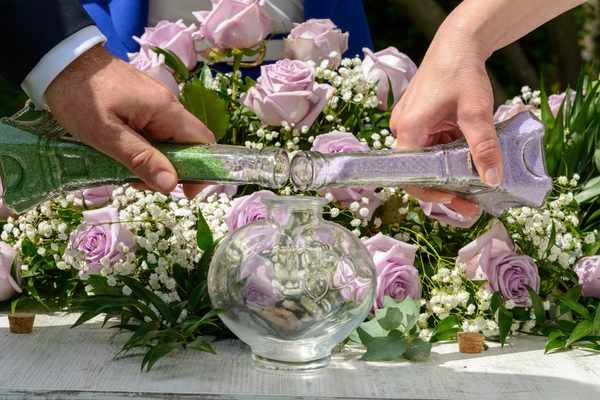
Partners pour differently colored sand into a shared vessel, creating layers that remain visible together. Children can join with their own colors. Practice pouring into a container with a generous opening, then seal it before transport. If you want variations and suggested wording, explore sand ceremony ideas for weddings.
Try Handfasting
During handfasting, an officiant or loved one wraps a ribbon or cord loosely around joined hands as promises are spoken. The practice has historical associations with Britain and Ireland and is used in modern secular and spiritual ceremonies. Incorporate meaningful fabric, but rehearse the release so no one struggles with knots.
Rituals About the Life You’re Building
Plant an Herb or Tree
Each partner adds soil or water to a potted plant to symbolize caring for a living relationship. A herb you cook with may be more practical than a tree that needs a large garden. Prepare the pot beforehand, and choose a species suited to your climate and home.
Seal Letters for a Future Anniversary
Write letters about what you admire in each other and hope to remember. During the ceremony, place them in a box to open on a chosen anniversary. You might include an engagement photograph. Guests need only hear a brief explanation; the letters can remain private.
Make a Shared Painting
Each partner adds a brushstroke or color to a prepared canvas. Agree on a simple design and test the materials before the wedding. Cover the work surface and plan where the painting will dry. The finished piece represents collaboration, not artistic skill.
Blend a Meaningful Drink
Combine two compatible drinks in one cup and share a sip. Try teas connected to your families, favorite coffees, or nonalcoholic ingredients from a first date. Taste the blend beforehand. This is a playful option for couples who prefer a shared experience to a keepsake.
Ideas for Family and Heritage
Invite Loved Ones to Warm the Rings
In ring warming, selected relatives or friends briefly hold the rings and offer a silent wish before the exchange. Passing rings through an entire large gathering can take time and risks losing them. Instead, invite a few people and ask a trusted attendant to supervise.
Create a Blended-Family Keepsake
Children can contribute sand, colored stones, or a puzzle piece. Let them choose whether to participate, especially during a family transition. Imagine two partners each placing a stone in a bowl, then inviting a nine-year-old child to add a third. The officiant explains that each person remains uniquely valued. No child needs to make an adult-sized promise.
Some symbolic wedding ceremony traditions have religious or cultural significance beyond their appearance. Learn their context and consult knowledgeable relatives or a relevant cultural or religious guide before incorporating an unfamiliar practice. Respect can mean keeping a tradition’s established form rather than improvising.
How to Choose the Right Ritual
Start with the meaning, then consider logistics. Do you want to express partnership, family belonging, or a promise to nurture your bond? A beach ceremony may favor sand or cord over candles. A small indoor wedding may suit a ring warming. Consider what happens afterward, too: plants need care and keepsakes need safe storage.
Not every couple needs an object to take home. A shared action can be enough. If you’re shaping the rest of your ceremony, meaningful wedding ceremony readings and personalized wedding vows can help carry the same message without another prop.
Plan the Moment Without Awkward Pauses
Tell your officiant who will move, speak, and handle each item. Keep the introduction to a sentence or two explaining why the ritual matters. Rehearse with your actual containers, cords, or supplies, and assign someone to set up and clear away everything.
Time one practice run. If pouring, tying, or moving guests takes longer than expected, simplify the action instead of rushing the words. Make supplies easy to reach, and offer seated or adapted participation where needed. A thoughtful two-minute gesture can be more moving than a complicated production.
Frequently Asked Questions
Do We Need a Unity Ceremony?
No. A unity ceremony is optional in many wedding formats. Vows, a reading, or a quiet moment can be equally meaningful. Ask your officiant about any rules within a particular religious service.
When Does a Unity Ritual Happen?
Often after the vows or ring exchange, before closing words. There is no universal placement for optional rituals. Your officiant can help it fit naturally into the service.
What Are Easy Ceremony Ritual Ideas for a Small Wedding?
Handfasting, exchanging letters, or blending a favorite tea needs little equipment. Ring warming with a couple of witnesses is another intimate choice. Pick something you can explain simply.
Can Children Join a Unity Ceremony?
Yes, if they want to. Sand, stones, and planting offer short, age-appropriate roles. Keep participation optional and have another adult ready to help.
Choose a Gesture That Tells Your Story
The strongest unity ceremony ideas connect an action to something you already believe about your relationship. You don’t need unusual supplies or an expensive keepsake. Choose one gesture, explain why it matters, and give yourselves room to experience it. Your guests will remember the intention longer than the props.