Weddings have always been more than ceremonies. They are moments where tradition, emotion, family, and personal beliefs meet in one unforgettable event. For many couples planning their big day, one of the earliest and most meaningful decisions involves choosing between religious and secular wedding ceremonies.
The choice may seem simple at first, yet it often carries layers of cultural expectations, personal values, and family traditions. Some couples grow up imagining a ceremony rooted in faith, surrounded by rituals that have been practiced for generations. Others feel drawn to a celebration that reflects their personal story without formal religious structure.
Understanding the differences between these two approaches—and what each one offers—can help couples choose the path that feels authentic and meaningful.
Understanding What a Religious Wedding Represents
A religious wedding ceremony is deeply tied to spiritual traditions and sacred beliefs. It usually takes place in a place of worship or follows rituals recognized by a particular faith community.
For many people, a religious ceremony is not simply symbolic. It represents a spiritual commitment made before a higher power. This sense of sacredness often gives the event a profound emotional weight.
Religious weddings frequently include traditional elements that have been practiced for centuries. Depending on the faith, these might involve scripture readings, blessings from clergy, traditional vows, sacred music, or symbolic rituals that represent unity and devotion.
The atmosphere of a religious ceremony often carries a sense of reverence and continuity. Families who hold strong religious traditions sometimes feel comfort in seeing those customs passed down through generations.
For couples who share the same faith, this type of ceremony can feel natural and deeply meaningful.
Yet even within religious weddings, there is often room for personal touches. Many couples incorporate readings, music, or moments that reflect their relationship while still honoring tradition.
What Defines a Secular Wedding Ceremony
A secular wedding, by contrast, removes the formal religious framework and focuses instead on personal expression. These ceremonies are not tied to a specific faith and are usually officiated by a civil celebrant, judge, or licensed officiant.
In many ways, secular ceremonies allow couples greater flexibility. Without the structure of religious tradition, they can shape the ceremony in ways that reflect their personalities, values, and shared experiences.
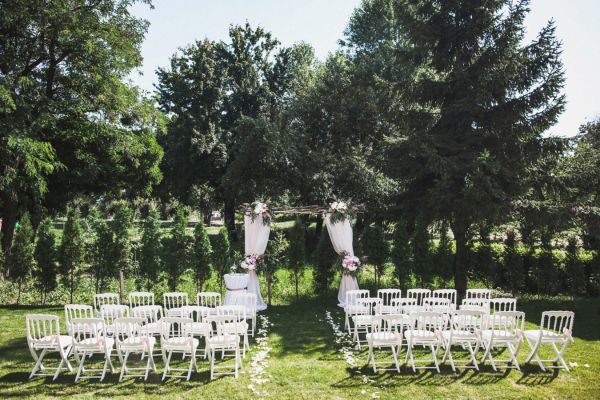
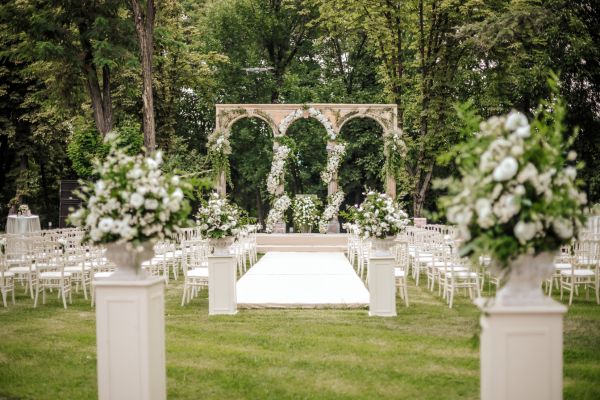
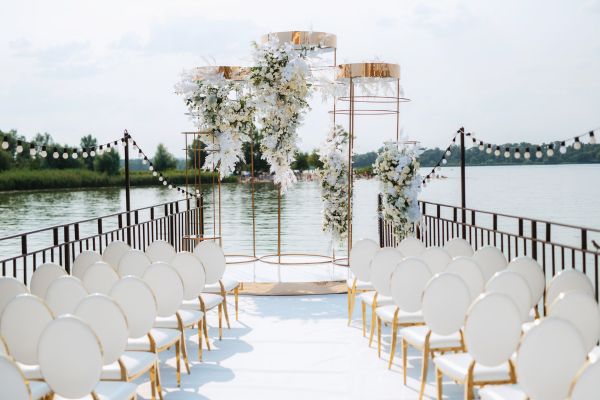
Some couples choose to write their own vows. Others incorporate meaningful readings from literature, poetry, or cultural traditions. The ceremony may take place almost anywhere: a garden, a beach, a historic building, or even a family home.
Secular weddings often feel relaxed and personal. The emphasis tends to be on storytelling—how the couple met, what their journey together has been like, and what they hope for the future.
For couples who come from different faiths, or who do not identify strongly with religious institutions, a secular ceremony can feel like the most inclusive option.
Cultural and Family Expectations
When couples begin thinking about choosing between religious and secular wedding ceremonies, family expectations sometimes become part of the conversation.
Parents or grandparents may feel strongly about traditional religious ceremonies, especially if weddings have always taken place within a specific faith in the family. In some cultures, religious weddings are seen not only as personal events but also as communal traditions that carry deep cultural meaning.
This can create moments of tension for couples who may not feel as connected to those traditions.
Open communication often helps navigate these situations. Some couples choose to include elements of tradition within a largely secular ceremony. Others may hold two ceremonies—one religious and one civil—to honor different expectations.
The goal is not to satisfy every opinion perfectly, which is rarely possible. Instead, it is about finding a balance that respects family history while remaining true to the couple’s own values.
Personal Beliefs and Identity
One of the most important factors in choosing between religious and secular wedding ceremonies is personal belief.
For couples who actively practice their faith, a religious ceremony often feels like the most meaningful way to begin married life. The vows are seen as more than promises to each other—they are commitments made in a spiritual context.
For others, spirituality may be personal rather than institutional. They may appreciate moments of reflection, gratitude, or symbolism but prefer not to frame the ceremony within formal religious doctrine.
Some couples simply want a celebration that reflects who they are today rather than the traditions they grew up with.
There is no universally correct choice. What matters most is authenticity. A wedding ceremony resonates more deeply when it reflects the couple’s genuine beliefs rather than expectations imposed from outside.
The Role of Ritual and Symbolism
Ritual plays an important role in both religious and secular weddings, though it appears in different forms.
Religious ceremonies rely on established rituals that often carry centuries of meaning. Lighting candles, exchanging rings, reciting sacred vows, or receiving blessings can create a powerful sense of continuity with the past.
Secular ceremonies, however, have developed their own symbolic traditions. Couples might plant a tree together, blend colored sand, share a unity candle, or write letters to be opened in the future.
These rituals may not be rooted in religion, yet they still carry emotional significance. They represent connection, partnership, and the creation of a shared future.
In many cases, couples discover that symbolism matters just as much as structure. What truly resonates is the meaning behind the moment.
Flexibility and Personalization
One of the clearest differences between the two approaches lies in flexibility.
Religious ceremonies often follow specific guidelines set by a faith community. Certain elements may be required, and the ceremony may need to take place in a particular location or be officiated by recognized clergy.
This structure can provide clarity and tradition, but it may also limit personalization.
Secular weddings tend to offer much greater freedom. Couples can choose their officiant, location, readings, and ceremony style without needing to follow institutional guidelines.
For creative couples, this flexibility allows them to craft a ceremony that feels uniquely theirs.
However, freedom can also come with challenges. Without a traditional framework, couples may feel uncertain about how to structure the ceremony or what elements to include. Some find themselves spending more time designing the ceremony from scratch.
Interfaith and Blended Approaches
Modern weddings increasingly reflect diverse backgrounds and beliefs. As a result, some couples combine elements from both religious and secular traditions.
An interfaith ceremony may include prayers from multiple traditions, cultural rituals, or symbolic gestures that represent unity across differences.
Others choose a secular ceremony that respectfully acknowledges spiritual heritage through music, readings, or family customs.
These blended ceremonies can be especially meaningful because they reflect the reality of modern relationships. They show that tradition and individuality do not have to be in conflict.
Instead, they can coexist in creative and respectful ways.
The Emotional Meaning of the Ceremony
Beyond the logistics and traditions, weddings ultimately come down to emotion.
The ceremony is the moment where two lives publicly join together. It is when families gather, vows are spoken, and the beginning of a shared future becomes real.
Whether the setting is a historic church or an open field under the sky, the emotional core remains the same.
Couples often remember the feeling of the ceremony more than the details. The quiet pause before the vows. The shared laughter during a reading. The moment when everyone present witnesses the commitment being made.
These moments matter far more than whether the ceremony fits neatly into one category or another.
Finding the Ceremony That Feels Right
When couples begin choosing between religious and secular wedding ceremonies, the process often leads to deeper conversations about identity, values, and family traditions.
Some couples realize they want the comfort of familiar rituals. Others discover they prefer the freedom to shape their ceremony entirely around their own story.
There is also space between those two choices. Blended ceremonies, cultural traditions, and personal symbolism allow couples to create meaningful experiences that reflect both heritage and individuality.
Ultimately, the right ceremony is the one that feels honest.
Conclusion
The decision about choosing between religious and secular wedding ceremonies is not simply about venue, officiants, or traditions. It is about how a couple wishes to begin their marriage and what values they want reflected in that moment.
Religious weddings offer centuries of tradition and spiritual significance. Secular ceremonies provide flexibility and deeply personal expression. Both can be beautiful, meaningful ways to celebrate commitment.
In the end, a wedding ceremony is not defined solely by its structure. It is defined by the promises spoken, the emotions shared, and the future two people choose to build together. When the ceremony reflects the couple’s true beliefs and intentions, it becomes more than an event—it becomes the beginning of a lifelong story.