Why Destination Wedding Vendors Matter So Much
A destination wedding already carries a little extra magic. There is the feeling of travel, the excitement of gathering people somewhere beautiful, and the sense that the celebration is not just a single day but a shared experience. Whether it happens on a beach, in a countryside villa, at a mountain lodge, or inside a historic city venue, the location becomes part of the story.
But behind that effortless-looking beauty is a lot of coordination. This is where destination wedding vendors become especially important. They are not simply people who provide flowers, food, music, makeup, or photography. They are the team that helps translate a couple’s vision into a real event in a place that may be far from home.
Choosing the right vendors for a destination wedding is different from planning a local celebration. There may be language differences, travel logistics, cultural expectations, legal requirements, weather patterns, and unfamiliar venue rules. A good vendor team understands these layers and helps the day feel smooth instead of stressful.
The Role of Local Knowledge
One of the biggest advantages of hiring destination wedding vendors near the wedding location is their local knowledge. They know which roads become difficult during peak tourist season, which beaches are windy at sunset, which venues need extra permits, and which florals hold up best in the climate.
That kind of knowledge is hard to replace. A couple can collect inspiration images from anywhere, but a local vendor understands what actually works in that setting. A floral arrangement that looks perfect in a cool indoor ballroom may wilt quickly in tropical heat. A hairstyle that lasts beautifully in a dry mountain climate may need extra attention in humid coastal air.
Local vendors can also help couples avoid common planning mistakes. They know how long transportation really takes, when natural light is strongest, and what backup plans are realistic if weather changes. These details may not sound glamorous, but they often make the difference between a wedding that feels chaotic and one that feels quietly well-managed.
Wedding Planners Who Understand the Destination
For many couples, a destination wedding planner is the most important vendor of all. Planning from another city or country can be difficult, especially when couples cannot visit the venue often. A planner becomes the bridge between the couple, the location, and the rest of the vendor team.
A strong destination wedding planner does more than organize timelines. They understand local customs, vendor communication styles, venue contracts, guest movement, and emergency planning. They can help couples compare realistic options rather than getting lost in endless possibilities.
The best planners also know how to protect the feeling of the wedding. They keep the day from becoming too complicated, too crowded, or too far removed from the couple’s original vision. A destination wedding should feel special, but it should still feel personal. A thoughtful planner helps balance both.
Photographers Who Capture Place and Emotion
Photography plays a powerful role in destination weddings because the setting is usually part of the reason the couple chose that place. The photographer needs to capture not only the people, but also the atmosphere around them.
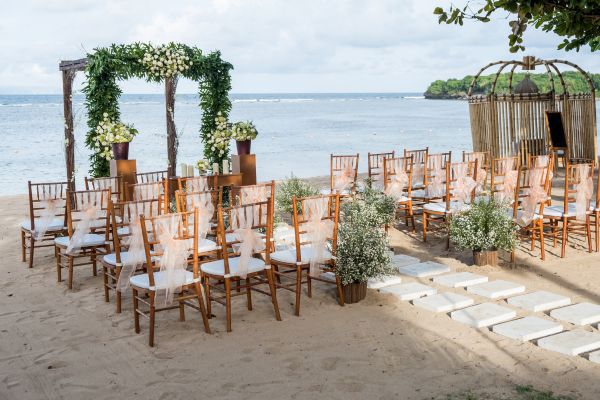
A beach wedding may call for soft movement, open skies, and golden light. A European city wedding may need a more editorial eye, with architecture, street scenes, and intimate portraits woven together. A mountain wedding may be about scale, silence, and the feeling of being surrounded by nature.
When choosing a photographer, couples should look beyond beautiful individual images. A full gallery tells a clearer story. It shows how the photographer handles harsh sun, low light, ceremony moments, portraits, guests, movement, and details. For destination weddings, this matters because lighting and scenery can change quickly.
Some couples bring a photographer from home, while others hire locally. Both choices can work. A familiar photographer may understand the couple’s style better, but a local photographer may know the destination’s best light, hidden corners, and seasonal conditions. The right decision depends on budget, trust, and the overall style of the wedding.
Florists Who Work with the Climate
Flowers behave differently depending on where the wedding takes place. Heat, humidity, wind, altitude, and travel time can all affect how arrangements look by the time the ceremony begins. This makes florists especially important among destination wedding vendors.
A skilled local florist knows which flowers are available in season and which ones can survive the conditions. They may suggest regional blooms, greenery, or textures that feel connected to the location. This often creates a more natural and memorable look than trying to recreate a design from somewhere else.
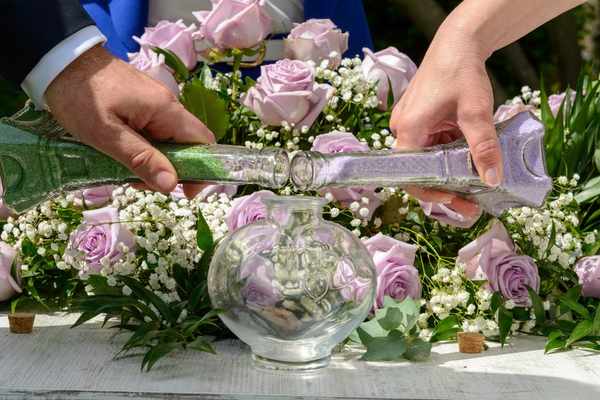
Destination wedding flowers do not always need to be extravagant. In a dramatic location, simple arrangements can feel more elegant than overly styled décor. A few thoughtful floral choices can soften a venue, frame a ceremony, and bring color into the celebration without competing with the surroundings.
Caterers Who Reflect the Location
Food is one of the easiest ways to make a destination wedding feel rooted in place. A coastal wedding may include fresh seafood and citrus flavors. A countryside celebration may lean toward local produce, rustic breads, and regional wines. A city wedding may offer a more refined menu with modern presentation.
Good destination wedding caterers understand both local flavor and guest comfort. They know how to serve food in the climate, how to manage timing at remote venues, and how to handle dietary needs without making the menu feel complicated.
Couples should think about food as part of the overall guest experience. Guests may have traveled a long way, and the meal often becomes one of the moments where everyone finally settles into the celebration. A menu that feels generous, thoughtful, and connected to the destination can leave a lasting impression.
Hair and Makeup Artists for the Setting
Hair and makeup for a destination wedding is not only about style. It is also about durability. A look that works beautifully in an air-conditioned studio may need adjustments for beach wind, summer heat, mountain dryness, or hours of outdoor photographs.
Experienced destination hair and makeup artists understand these practical details. They know which products last, how to prepare skin for different climates, and how to create styles that hold without looking heavy. They also understand the pace of a wedding morning, when emotions are high and timing matters.
A trial session is ideal when possible, but it is not always practical for destination weddings. In that case, clear communication becomes important. Sharing inspiration images, dress details, weather expectations, and personal preferences can help the artist create a look that feels beautiful and comfortable.
Musicians and Entertainment with Local Character
Music can completely change the atmosphere of a destination wedding. Some couples prefer a classic wedding band or DJ, while others want local musicians who bring the sound of the place into the celebration. A string trio in an old garden, acoustic guitar by the sea, traditional percussion, or a local jazz group can make the event feel more immersive.
Entertainment should fit the mood of the wedding rather than simply filling silence. A quiet ceremony may need soft live music, while a lively reception may need a band or DJ who can bring different cultures and age groups onto the dance floor.
When hiring entertainment in another country or region, couples should ask about equipment, power requirements, sound limits, and setup time. Many scenic venues have restrictions, especially outdoor or historic spaces. A vendor who knows the local rules can avoid last-minute surprises.
Videographers Who Preserve Movement and Sound
Photography freezes moments, but video brings back movement, voices, music, and atmosphere. For destination weddings, video can be especially meaningful because it captures the feeling of the place in a way still images cannot fully show.
A good videographer understands pacing. The film should not feel like a travel advertisement or a staged production. It should feel like the wedding day as it actually unfolded, with enough scenery to remember the location and enough intimacy to remember the people.
Sound is also important. Vows, speeches, laughter, waves, church bells, or live music can all become part of the memory. Couples who value emotional storytelling may find videography especially worthwhile for a destination celebration.
Transportation and Guest Experience Vendors
Destination weddings often involve more guest logistics than local weddings. Guests may need airport transfers, shuttles to the venue, transportation between hotels and events, or guidance around unfamiliar areas. This is where transportation vendors quietly become essential.
Good transportation planning keeps guests relaxed. Nobody wants to worry about finding a remote venue, navigating a foreign road system, or arranging rides late at night. Reliable transport also protects the wedding timeline, especially when the ceremony and reception are in different places.
Guest experience can also include welcome bags, local tours, pre-wedding dinners, beach gatherings, or farewell brunches. These extras are not required, but when done thoughtfully, they make the wedding feel like a shared journey rather than a single formal event.
Rental and Décor Teams That Know the Venue
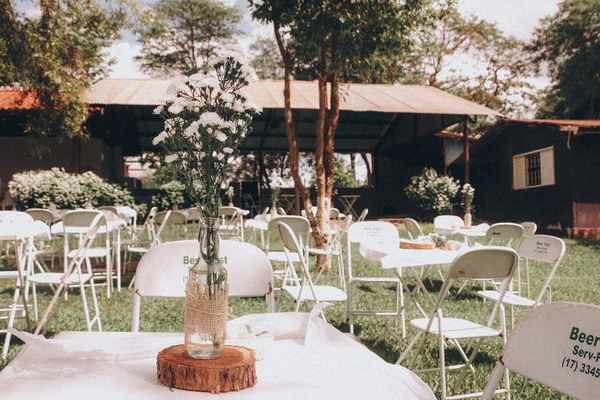
Tables, chairs, linens, lighting, lounge furniture, umbrellas, fans, heaters, dance floors, and tableware can all shape the look and comfort of a destination wedding. Rental vendors are especially important when the venue does not provide everything needed.
A local rental team knows what works at different venues. They understand uneven ground, outdoor surfaces, weather protection, delivery access, and setup restrictions. These details affect both appearance and safety.
Décor should also respond to the destination. A tropical wedding may not need heavy styling because the landscape already brings color and movement. A historic villa may need soft lighting and simple tables rather than dramatic decoration. The most elegant destination weddings often feel like they belong exactly where they are.
Legal and Cultural Support
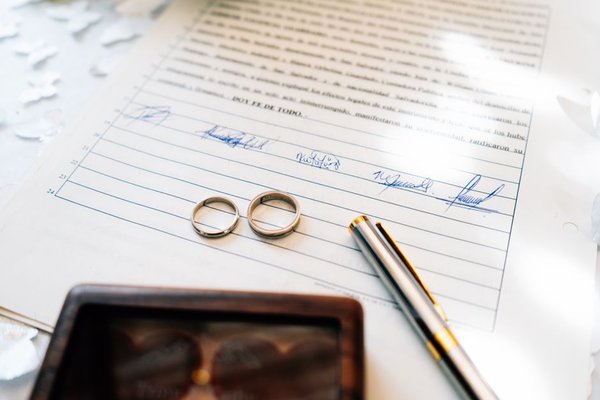
Some destination weddings require legal paperwork, translations, permits, or religious and cultural coordination. Requirements vary widely from place to place, so couples should never leave this part until the last minute.
In some cases, couples choose to complete the legal marriage at home and have a symbolic ceremony abroad. This can simplify the process and allow more freedom in the ceremony structure. In other situations, a legally recognized destination ceremony is possible with the right documents and timeline.
Vendors with local experience can guide couples toward the correct process, but official requirements should always be checked carefully. This part may not be romantic, but it protects the day from unnecessary stress.
How to Choose Vendors from Far Away
Choosing destination wedding vendors from a distance requires patience and trust. Couples should review full portfolios, read recent feedback, ask clear questions, and schedule video calls when possible. Communication style matters. If a vendor is slow, unclear, or difficult before booking, that may become more stressful as the wedding gets closer.
It is also wise to understand contracts carefully. Payment schedules, cancellation terms, travel fees, overtime charges, weather plans, and what happens in case of illness or emergency should all be clear. A beautiful portfolio is important, but reliability is just as important.
Couples should also trust the mood of the conversation. The right vendor usually listens well, answers directly, and understands the atmosphere the couple wants. Destination weddings involve distance, so confidence in the team matters even more.
Conclusion
Destination wedding vendors shape much more than the look of a wedding. They influence how the day feels, how smoothly it runs, and how deeply the location becomes part of the celebration. From planners and photographers to florists, caterers, musicians, beauty artists, transport teams, and rental suppliers, each vendor adds a different layer to the experience.
The best choices are not always the most elaborate or expensive. They are the vendors who understand the destination, respect the couple’s vision, and know how to bring practical details together without losing the emotion of the day. A destination wedding should feel beautiful, personal, and grounded in its setting. With the right team behind it, the distance becomes less intimidating, and the celebration begins to feel exactly where it belongs.