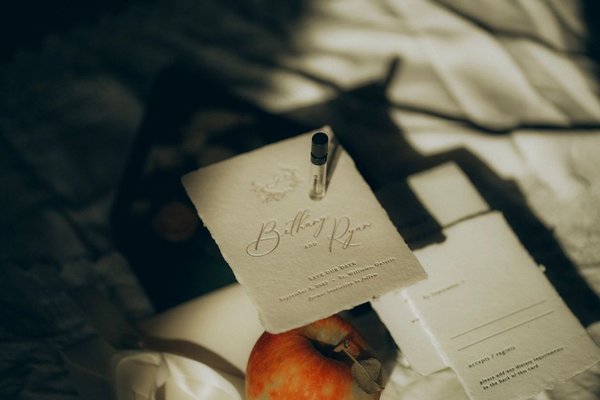
The invitation is often the first hint of your wedding, but does it need to arrive in an envelope? When comparing paper vs digital wedding invitations, the most useful question is which format will help your guests feel welcomed, informed, and ready to respond.
Paper vs Digital Wedding Invitations at a Glance
Choose paper when the physical experience matters: guests can open an envelope, display the card, and save it afterward. Choose digital when quick delivery, easy updates, and streamlined RSVPs matter more. A hybrid approach can give different guests the experience they prefer without mailing a card to every household.
In the printed vs online invitations debate, neither format is automatically more thoughtful. A well-designed digital invitation can feel personal, while a beautiful printed card can still fail if important details are missing.
Wedding Invitation Cost: Compare the Full Package
What paper invitations cost
Printed invitations may involve design fees, paper stock, printing, envelopes, addressing, postage, and optional inserts. Specialty finishes such as foil, letterpress, or wax seals can increase the bill. Printed reply cards and return postage add more, though you can invite guests to RSVP online instead.
Request quotes per mailed household, not per guest. If 120 people represent 75 households, you probably need about 75 mailed sets, plus a few extras for errors and keepsakes. That distinction can make a meaningful difference.
What digital invitations cost
Digital platforms may offer free templates, one-time purchases, or paid features including custom branding, guest tracking, and RSVP questions. Check whether pricing covers one event, individual invitations, or a subscription. Look for watermarks, advertising, editing restrictions, and any extra charge for guest management.
Consider a hypothetical example: 75 printed sets at $3 each, plus $1 mailing cost per set, total $300 before upgrades. A hypothetical $40 digital package costs much less, but real prices vary by provider. Compare complete packages rather than assuming everything online is free.
Etiquette and the Tone of Your Celebration
Paper feels natural at traditional or highly formal celebrations. An envelope addressed by name can signal occasion and care, especially when stationery is part of the overall wedding aesthetic. Some families also value receiving a physical invitation they can keep.
Digital invitations are not inherently rude or casual. Thoughtful wording, individual guest names, readable design, and a convenient response method can communicate just as much respect. For weddings with strong cultural or family customs, ask about expectations before settling on a format.
Whichever route you take, communicate the couple’s names, event, date, time, venue, RSVP deadline, and response instructions clearly. Review wedding invitation wording examples if you are uncertain about balancing warmth and formality.
Guest Experience: Will Everyone Actually Receive It?
Online invitations make responding convenient for many guests. An RSVP form can gather meal preferences, dietary needs, and attendance details without multiple messages. A wedding website can carry accommodation, transport, and schedule information that would otherwise require printed inserts.
But digital delivery has blind spots. Emails can land in spam folders, texts can get buried, and some guests dislike online forms. Test invitations on a phone, avoid mandatory account creation when possible, and provide a phone or direct-message RSVP option for guests who need it.
Paper avoids screen and account problems, yet envelopes can be lost and addresses may be outdated. Keep an accurate contact list and plan to follow up in either format. A delivery notification is not proof that an invitation was read.
Customization and Keepsake Value
Paper offers tactile details that a screen cannot reproduce: texture, weight, foil, illustrations, and coordinated envelopes. Couples who love stationery may consider the printed suite a meaningful part of the celebration. Saving one copy for a wedding album is easy.
Digital designs can include photography, animation, personalized wording, and coordinated website graphics. However, elaborate effects sometimes obscure key details or load slowly. Prioritize contrast, legible text, and clear RSVP instructions over novelty.
Before deciding, show your design to someone who has not helped plan the wedding. Ask them to find the date, venue, and response deadline immediately. Their experience matters more than how polished the preview looks to you.
Delivery Timing and Changes
Paper requires time for proof approval, printing, addressing, and posting. If a venue or start time changes after mailing, you may need a separate announcement or replacement card. Build a buffer into your schedule rather than ordering close to the deadline.
Digital invitations are typically quicker to send and easier to update. That flexibility helps with short engagements or destination weddings. Still, incorrect email addresses and broken links can derail delivery. Work backward from your caterer’s final guest-count deadline when deciding when to send wedding invitations.
Are Digital Invitations More Sustainable?
Eco friendly wedding invites require a little nuance. Paper production, printing, packaging, and shipping consume resources, while digital services rely on electricity, devices, and data infrastructure. Digital is not impact-free, and there is no single environmental verdict that fits every invitation.
Sending invitations online can reduce physical materials and postal trips. If you prefer print, consider recycled or responsibly sourced paper, fewer inserts, simpler packaging, and local printing where practical. Avoid buying more stationery than your guest list needs.
Why a Hybrid Approach Often Makes Sense
Imagine inviting 120 people across 75 households. You could mail printed cards to close relatives and guests who prefer physical invitations, then email a coordinated version to everyone else. Give both groups the same RSVP deadline and use one master guest list.
Alternatively, mail a single printed card with essential event information and a short website address or QR code for travel details and RSVPs. Offer another reply method for guests who cannot use it. A wedding RSVP guide can help you choose consistent questions for all guests.
Be careful with mixed systems: sending different versions can create duplicate invitations, confusion over plus-ones, or outdated details. Assign someone to update the central guest list whenever a reply or contact detail changes.
Frequently Asked Questions
Are digital wedding invitations acceptable for formal weddings?
Yes. Choose wording and design that suit the occasion, and consider the expectations of your families and guests. Paper remains a popular traditional choice, but formality does not require it universally.
Do digital wedding invitations save money?
Often, particularly when printing and postage would be substantial. Check platform fees and premium features, and compare them with an all-inclusive paper quote before deciding.
Can I send printed invitations with online RSVPs?
Absolutely. Include a short website address or QR code and clear instructions. Offer a phone or other reply option for guests who are less comfortable online.
What if guests miss the digital invitation?
Check your contact details, track responses, and follow up personally with anyone who has not replied. An email marked delivered does not necessarily mean someone saw it.
Which Invitation Format Fits Your Wedding?
Choose paper if the opening and keeping of the invitation are part of the celebration you envision. Choose digital if speed, updates, and convenient responses matter most. If your guests have varied preferences, combine the two deliberately. The best invitation is not necessarily the fanciest one; it is the one that reaches your people and makes them feel included.